Greetings from the ArgentiFlow GPT Official Site — AI-Enhanced ArgentiFlow GPT Financial Hub

ArgentiFlow GPT stands as a pioneering AI-enhanced ArgentiFlow GPT investment solution recognized by numerous traders across Argentina. The ArgentiFlow GPT registration process is swift — set up your complimentary account, try out the ArgentiFlow GPT simulator, and embark on your ArgentiFlow GPT investment adventure. Become a part of the collective that has earned ArgentiFlow GPT reviews among the most favorable in the sector.

Open Your Free Account

+1
ArgentiFlow GPT - Greetings from the ArgentiFlow GPT Official Site — AI-Enhanced ArgentiFlow GPT Financial Hub

ArgentiFlow GPT stands as a pioneering AI-enhanced ArgentiFlow GPT investment solution recognized by numerous traders across Argentina. The ArgentiFlow GPT registration process is swift — set up your complimentary account, try out the ArgentiFlow GPT simulator, and embark on your ArgentiFlow GPT investment adventure. Become a part of the collective that has earned ArgentiFlow GPT reviews among the most favorable in the sector.

What does ArgentiFlow GPT offer? It is an innovative ArgentiFlow GPT investment program utilizing proprietary artificial intelligence to evaluate markets in real-time across cryptocurrency, forex, and equities. The ArgentiFlow GPT algorithm analyzes a vast array of data points every second, pinpointing lucrative chances before the market as a whole catches on. Be it your first foray into trading or you are well-versed, our platform adjusts to match your expertise and objectives.

Numerous ArgentiFlow GPT user evaluations validate our findings: individuals leveraging the ArgentiFlow GPT framework gain entry to analytics of institutional caliber once thought to be exclusive to hedge funds and financial institutions. The built-in copy-trading feature allows you to replicate successful approaches, making it straightforward to generate revenue with ArgentiFlow GPT while enhancing your skill set. Every ArgentiFlow GPT transaction is supported by clear AI logic, ensuring you comprehend the reason behind each identified prospect.

Safety is paramount in the ArgentiFlow GPT investment solution — robust AES-256 encryption and mandatory two-factor authentication defend every ArgentiFlow GPT access. Independent cybersecurity firms conduct quarterly assessments of our systems, which is why ArgentiFlow GPT is secure and has gained the confidence of traders throughout Argentina and beyond. Visit the ArgentiFlow GPT site to validate our security assurances.

Artificial intelligence and machine learning have fundamentally altered the landscape of financial market operations, introducing a framework where extensive volumes of unstructured data can be interpreted instantly. Traditional trading methods relied predominantly on intuition, but advancements like neural networks, natural language processing, and reinforcement learning have equipped systems to discern nuanced relationships among countless instruments at the same time. These innovations can analyze everything from financial call transcripts to satellite photos of commercial centers, generating insights that a solitary human analyst could never compose. The decline in computational costs and enhancements in data handling techniques are democratizing access to AI-assisted trading, benefiting retail traders previously devoid of such advantages.

The history of algorithmic trading dates back to the dawn of electronic markets in the 1970s, when innovations like the New York Stock Exchange’s Designated Order Turnaround system transformed order placements. In the following decades, quantitative investment firms, such as Renaissance Technologies and D.E. Shaw, showcased that systematic, data-centric strategies could yield more stable returns than traditional stock-picking. By the early 2000s, high-frequency trading firms began executing millions of transactions daily, capitalizing on momentary price differences. Today, the availability of algorithmic tools has leveled the playing field, allowing independent traders to apply strategies once reserved for large financial institutions. Cloud computing solutions provide on-demand processing resources, while open-source libraries offer readily available machine learning tools, packaged seamlessly for those without programming backgrounds.

Automated portfolio management presents numerous benefits compared to entirely manual techniques, especially for traders who may not be able to devote continuous time to market observation. Regular rebalancing guarantees that portfolio distributions reflect established risk profiles, automatically reducing holdings that grow excessively and bolstering those that remain underrepresented. This methodical approach mitigates emotional biases often faced by discretionary traders, such as clinging to unprofitable positions in the hope of a turnaround or prematurely exiting winning trades out of fear. Moreover, automated solutions can implement intricate strategies across varying asset classes concurrently, maintaining hedged positions and seizing spread opportunities that would be daunting to handle manually. The outcome is a more reliable, less stressful trading experience that can function around the clock without fatigue.

Making decisions based on data signifies a revolutionary shift away from reliance on intuition and anecdotal information toward a solid, evidence-based trading methodology. By gathering and analyzing historical price records, trading volumes, order book details, options activity, and macroeconomic signals, traders can develop a quantitative framework to assess possibilities. Statistical tools like regression testing, time series analysis, and Monte Carlo simulations provide a mathematically sound foundation for estimating likelihoods and forecasted returns. The primary advantage of this strategy lies in its reproducibility and validation: theories can be formulated, tested against archived data, confirmed during out-of-sample evaluations, and refined incrementally. This scientific approach minimizes the effects of cognitive biases identified in behavioral finance research, which are notorious for contributing to adverse trading results.

Diversifying across multiple assets embodies a pivotal principle in investment strategy, originating from Harry Markowitz’s award-winning research on mean-variance optimization. Allocating capital across assets with low or negative correlations—such as stocks, bonds, commodities, currencies, and cryptocurrencies—allows investors to enhance their risk-return trade-off compared to concentrating solely in one asset. Historically, during stock market stress, for example, government bonds and gold provided stabilizing effects, mitigating overall portfolio declines. In the realm of cryptocurrency, the correlation with conventional markets has fluctuated considerably through time, creating avenues for adaptable allocation strategies. A well-rounded portfolio also lessens the impact of specific risks, such as regulatory actions against an individual cryptocurrency or an earnings shortfall from a single firm, ensuring no singular event can result in catastrophic losses.

Backtesting is an essential component in the formulation of any effective trading strategy, simulating how a system would have performed in actual market scenarios. A thorough backtesting regimen involves defining explicit entry and exit parameters, determining position sizes and risk management strategies, and then applying these parameters to historic pricing data throughout varied market conditions, including bullish and bearish trends, stable environments, and times of heightened volatility. Key considerations include addressing transaction costs, slippage, and market influence, which can severely diminish the profitability of strategies that may appear appealing in idealized conditions. Walk-forward analysis, which refines the strategy on one time frame while testing it on an upcoming, out-of-sample period, helps to safeguard against overfitting—the risk of fitting a model too closely to historical noise instead of actionable signals. Traders should also run sensitivity analyses to gauge how performance varies when critical parameters are adjusted, ensuring that conclusions are robust rather than reliant on limited assumptions.

Gaining insight into market microstructure and order dynamics affords traders a comprehensive view of the intricacies involved in price determination and liquidity provision. Market microstructure investigates how exchanges pair buy and sell requests, how market makers establish bid-ask spreads, and how information infiltrates prices through the continual interactions of informed and uninformed traders. Order flow studies the sequences and volumetric sizes of incoming orders to identify discrepancies between buying and selling forces, often occurring before notable price changes. Instruments such as volume profiles, footprint charts, and order book heatmaps enable traders to observe where substantial liquidity congregates and where it is sparse, pinpointing potential support and resistance levels based on actual transactions rather than mere technical analysis. A solid comprehension of order book depth, timing and sales data, along with the differentiation of passive versus aggressive orders, grants an analytical advantage that complements conventional technical and fundamental paradigms.
Get Started

Get Started »

One Hub, Infinite Opportunities — ArgentiFlow GPT Solution

The ArgentiFlow GPT solution amalgamates all dimensions of contemporary trading into a unified, user-friendly interface. Access live price feeds, ArgentiFlow GPT AI-generated insights, portfolio analytics, and automated risk assessment — all without toggling between different tools. From high-frequency trades to long-term ArgentiFlow GPT portfolio strategies, our solution provides the framework to implement your tactics with accuracy. Traders based in Argentina can utilize dedicated market data, while the ArgentiFlow GPT application Argentina extends this functionality to mobile devices. This exemplifies how ArgentiFlow GPT operates — sophisticated tech wrapped in an easily navigable format. The unification of charting, order handling, risk assessment, news updates, and performance analysis into one coherent workspace mitigates the mental strain of juggling various applications, each with unique logins and data formats. Research indicates that toggling contexts imposes cognitive burdens, undermining decision-making quality and slowing response time. By integrating every essential trading function into a cohesive setting, traders retain focus on market evaluation rather than grappling with disjointed tools, facilitating swifter and more assured execution when opportunities present themselves. A consolidated hub also guarantees that all elements share a unified real-time data stream, eradicating synchronization lags and information inconsistencies that often arise when traders employ separate charting, execution, and portfolio tracking solutions. This architectural edge is crucial during rapidly evolving market circumstances, such as central bank announcements, earnings disclosures, or geopolitical shifts, where even slight delays between signal reception and order placement can lead to missed chances. Evaluating crossing asset correlations becomes vastly more effective when conducted within an integrated environment capable of concurrently processing price data, volatility indicators, and order flow across equities, forex, commodities, and crypto assets. Traders can construct personalized correlation matrices, observe rolling correlation changes live, and receive notifications when historically linked instruments diverge — a shift often indicating an imminent reversion or shift in market conditions. This comprehensive approach to inter-market relationships allows for more advanced hedging strategies and portfolio management techniques than what standalone utilities could support. Monitoring your portfolio in real-time offers ongoing insights into total exposure, unrealized gains and losses, margin utilization, and risk indicators like value-at-risk and maximum drawdown. Rather than waiting for end-of-day reports or manually tallying portfolio details, traders receive immediate updates as each holding fluctuates, enabling timely modifications to uphold their chosen risk profile. Users can set automated alerts to notify them when specified thresholds are breached, such as a total loss exceeding a specific percentage or an individual position going beyond its desired allocation, ensuring risk management remains proactive and not merely reactive.

ArgentiFlow GPT - One Hub, Infinite Opportunities — ArgentiFlow GPT Solution
ArgentiFlow GPT - Advanced Solutions, Clear Insights — ArgentiFlow GPT System

Advanced Solutions, Clear Insights — ArgentiFlow GPT System

Every recommendation generated by the ArgentiFlow GPT trading system is anchored in a transparent foundation. Our AI mechanism outlines precisely why a certain opportunity has been identified, detailing the technical patterns recognized, sentiment changes analyzed, and macroeconomic indicators considered. Is ArgentiFlow GPT effective? The results are self-evident: authenticated performance metrics are accessible to all registered individuals. This straightforward approach empowers traders to glean insights as they execute trades, turning intricate market data into practical intelligence. ArgentiFlow GPT is it dependable? Our history and expanding community of gratified users validate this. Explainable AI has become a fundamental aspect of ethically sound financial technology, stemming from the understanding that both users and regulatory authorities need insights into why automated systems issue certain recommendations. Unlike enigmatic black-box models that yield outputs absent meaningful explanations, transparent systems dissect their decision-making processes into comprehensible components, such as the relative significance ascribed to technical indicators, sentiment scores deduced from recent articles, and the macroeconomic context guiding the overall evaluation. This transparency builds trust among users, empowering them to enhance their analytical capabilities by examining the reasoning behind each signal, effectively converting every trading indication into a chance for learning. Trust underpins every successful relationship between a trader and an automated system, with transparency serving as the mechanism by which this trust is cultivated and sustained over time. When users can identify precisely which data inputs influenced a recommendation and how those inputs were prioritized, they gain the assurance to act on signals without hesitation rather than questioning the system during crucial moments. This confidence is particularly vital during turbulent market phases when emotional responses surge, and the inclination to override systematic signals with impulsive actions is strongest. A transparent system delivers an anchor of objectivity that supports traders in maintaining discipline and consistency in their methodologies. Balancing model sophistication and interpretability poses a central dilemma in financial machine learning, as more complex models, including deep neural networks and ensemble techniques, may excel in predictive performance while sacrificing clarity. Conversely, simpler models like linear regression or decision trees are generally more interpretable but might overlook complex relationships typical of financial landscapes. Contemporary strategies navigate this challenge using methods like SHAP values, LIME explanations, and visualization of attention mechanisms, providing human-readable insights into sophisticated models without compromising their predictive accuracy. These interpretability techniques enable traders to discern not just the model's predictions but also which features drive those predictions and how variations in input variables might impact outcomes. Regulatory authorities globally are increasingly mandating that fintech companies demonstrate the fairness, clarity, and accountability of their algorithmic systems. The European Union's Markets in Financial Instruments Directive requires firms employing algorithmic trading technologies to maintain comprehensive records of their algorithms' logic and be equipped to elucidate their behaviors when asked by regulators. Similar regulatory frameworks are emerging in North America and the Asia-Pacific, indicating a broad agreement that algorithmic transparency is critical for sustaining market integrity and safeguarding retail investors. Companies investing in transparency infrastructure today are positioning themselves advantageously for an evolving regulatory environment.

Features

Optimize Your Trades with the ArgentiFlow GPT Trading Solution

ArgentiFlow GPT AI Insights Engine

The ArgentiFlow GPT AI system evaluates millions of market data points each minute, uncovering emerging trends and subtle patterns that might elude human observation. Obtain accurate buy-and-sell signals supported by neural networks trained on extensive historical ArgentiFlow GPT stock data. Our ArgentiFlow GPT bot operates continuously, monitoring markets tirelessly on your behalf. High-end analytical systems in today’s trading leverage convolutional neural networks for chart pattern recognition, recurrent architectural designs for predicting sequential time series, and attention-enhanced transformer models that process multiple data types concurrently, including textual information, numerical values, and order dynamics. These layered architectures can identify intricate non-linear interactions involving hundreds of variables that traditional methods would struggle to capture.

ArgentiFlow GPT Application — Trade from Anywhere

Acquire ArgentiFlow GPT application for iOS or Android to oversee your portfolio remotely from any location within Argentina. The ArgentiFlow GPT trading application offers the same level of institutional analytics as the desktop version with one-touch order placement. Installing the ArgentiFlow GPT app is complimentary and takes less than a minute — simply search for ArgentiFlow GPT in your app store. Mobile trading has transformed the way retail users engage with financial markets, allowing immediate portfolio oversight from nearly any site with cellular or internet access. Studies illustrate that mobile traders enjoy swifter response times to breaking news and market-sensitive announcements as alerts are sent directly to their devices without requiring them to be at a desktop computer.

ArgentiFlow GPT Trading Suite — Risk Management Tools

Safeguard your investment with the ArgentiFlow GPT trading suite designed for automated risk controls. Establish dynamic stop-loss limits, adjust position-sizing criteria, and enable trailing stops to secure profits. The ArgentiFlow GPT algorithm modifies risk parameters instantly based on current market volatility, ensuring your risk exposure remains within your comfort zone. Effective risk management is often considered the single most crucial element of enduring trading success, frequently outweighing the significance of signal accuracy. Comprehensive risk frameworks consist of various protective measures, including per-trade stop-losses, daily loss thresholds, maximum portfolio drawdown limits, and correlation-aware position sizing to prevent excessive exposure to correlated assets.

ArgentiFlow GPT Dashboard — Multi-Asset Access

Gain access to cryptocurrencies, forex pairs, commodities, and stock indices from a consolidated ArgentiFlow GPT dashboard. Effortless cross-asset execution allows you to diversify strategies, hedge your positions, and streamline your ArgentiFlow GPT asset management across multiple markets in tandem. Multi-asset trading dashboards offer a distinct advantage by facilitating portfolio-level considerations rather than focusing solely on individual instruments, enabling traders to observe their cumulative exposure across asset classes in a unified risk view. Cross-margining functionalities enhance capital efficiency by recognizing offsetting positions among correlated assets, freeing up additional margin for new opportunities.

ArgentiFlow GPT Simulation — Practice Without Risk

Are you just dipping your toes into trading? The ArgentiFlow GPT demo account provides a risk-free environment to practice using simulated capital, enabling you to explore the full range of functionalities within the ArgentiFlow GPT trading platform. There's no requirement for credit card details — just finish your ArgentiFlow GPT registration and access will be granted immediately. Demo accounts are essential pedagogical resources, allowing users to cultivate and scrutinize methods in a safe space that mimics authentic market dynamics. Financial educators highly advocate for novices to engage with demo accounts for several weeks prior to entering live trading, helping them gain familiarity with various order types, risk management techniques, and the emotional aspects of monitoring real-time fluctuations in their positions.

ArgentiFlow GPT Algorithm — Social Trading

Replicate the techniques of elite traders effortlessly with just one click. The ArgentiFlow GPT algorithm evaluates traders based on authenticated performance history, risk assessments, and prior drawdowns, providing complete visibility. Check out the latest ArgentiFlow GPT trading system reviews to discover which copy-trading methodologies users appreciate the most. Social trading networks have opened the door to professional-level strategies, allowing less seasoned participants to mirror the trades of verified top-tier performers. This collaborative landscape fosters a merit-based system where proficient traders gain followers and earn performance incentives, while novice traders benefit from observing the strategic reasoning and risk approaches of prosperous individuals in real-time.

Security

Military-Grade Encryption

Every piece of data sent to and from the ArgentiFlow GPT platform is safeguarded with AES-256 encryption — a level of security adopted by governments and financial organizations worldwide. This is a significant factor making ArgentiFlow GPT a secure choice for users in Argentina. AES-256 is a symmetric encryption method utilizing a 256-bit key size, rendering it virtually impossible to crack via brute force with existing or anticipated technological means. This encryption protocol is validated by the National Institute of Standards and Technology and is sanctioned for the protection of classified governmental data up to the Top Secret classification.

Two-Factor Authentication

Each ArgentiFlow GPT login necessitates an additional verification code sent via authenticator app or SMS, ensuring that unauthorized access is thwarted even if login credentials are compromised. There have been no breaches of ArgentiFlow GPT trading system login. Security professionals advocate the use of time-based one-time password authenticator apps rather than SMS-based verification as they are immune to SIM-swapping attacks and interception of phone numbers. Optimal practices involve utilizing a hardware security key for high-value accounts and enabling biometric authentication to enhance user convenience.

Regular Security Audits

Third-party cybersecurity experts perform quarterly penetration testing and code assessments on the ArgentiFlow GPT infrastructure. Identified vulnerabilities are addressed within a forty-eight-hour timeframe, which is why the ArgentiFlow GPT platform reviews consistently commend our security protocols. Professional security auditing methods adhere to well-established standards such as OWASP for web application testing and NIST for thorough infrastructure evaluations. These assessments simulate real-world attacks like injection threats, cross-site scripting, privilege escalation, and distributed denial-of-service attempts to detect and rectify weaknesses before they can be exploited.

Strategic Market Insights by ArgentiFlow GPT

Advanced Macro-Economic Framework

The ArgentiFlow GPT macro scanner persistently evaluates central bank statements, employment statistics, and GDP disclosures from over thirty nations, including Argentina. By linking these economic indicators to live asset prices, the platform reveals high-probability trading opportunities. Traders frequently inquire how does ArgentiFlow GPT function — this macroeconomic structure forms the core of our analytical advantage. The methodology of macroeconomic analysis entails monitoring leading, coincident, and lagging economic indicators to construct a holistic understanding of economic vitality and direction. Leading indicators such as purchasing manager indices, building permits, and consumer sentiment surveys signal early economic trends, while coincident indicators like industrial output and retail sales affirm current conditions. Lagging indicators such as unemployment figures and corporate profitability further validate established trends.

ArgentiFlow GPT - Advanced Macro-Economic Framework

Machine Learning Pattern Recognition

Utilizing deep-learning neural networks, the ArgentiFlow GPT algorithm discerns frequently occurring chart patterns — from double-tops and head-and-shoulders to intricate harmonic structures — boasting over ninety-two percent historical accuracy. The ArgentiFlow GPT bot employs these patterns in real time across an array of asset categories. The evolution of pattern recognition in financial markets has dramatically shifted from traditional manual charting to cutting-edge computer vision techniques capable of scanning thousands of instruments simultaneously through various timeframes. Deep learning models, trained on millions of past chart images, can uncover subtle variants of traditional patterns that human analysts may miss and evaluate the statistical dependability of each pattern based on contextual indicators like volume confirmation, trend consistency, and proximity to key support and resistance thresholds.

ArgentiFlow GPT - Machine Learning Pattern Recognition

Continuous Market Access

Markets operate continuously, and so does ArgentiFlow GPT. Our infrastructure runs around the clock, monitoring global exchanges and providing alerts the instant a high-confidence trading opportunity arises. Whether you are utilizing the ArgentiFlow GPT app on your mobile device or accessing the desktop ArgentiFlow GPT website, you will receive prompt notifications. This relentless market surveillance is especially crucial for participants engaging across time zones, from the opening of the Asian trading session in Tokyo to the European trading session in London, and finally to the North American session in New York. With cryptocurrency markets in operation twenty-four hours a day and seven days a week, alongside forex markets being open five and a half days each week, our automated monitoring guarantees that significant opportunities and risks are never overlooked, no matter the trader's local time or personal agenda.

ArgentiFlow GPT - Continuous Market Access

Why Traders Choose ArgentiFlow GPT

The ArgentiFlow GPT trading platform was meticulously crafted to equip individual traders with the same analytical capabilities that institutional hedge funds depend on. With sub-millisecond order execution, co-located servers in Toronto, New York, and London, combined with a dedicated support team available at all hours, every facet of the ArgentiFlow GPT experience exemplifies our commitment to excellence. Visit the ArgentiFlow GPT official website to discover why our community in Argentina and beyond keeps expanding. Is ArgentiFlow GPT genuine? Our transparent history, regulated relationships, and a multitude of positive ArgentiFlow GPT reviews eliminate any doubts. Co-located trading systems offer a tangible edge in execution quality by minimizing the distance between trading servers and exchange systems. When servers are within the same data center as exchanges, network latency is diminished to microseconds instead of the milliseconds typical of remote setups. This closeness ensures that orders are transmitted swiftly, lowering the chances of price slippage between the moment a trading choice is made and when the order is executed. For traders engaging in multiple transactions daily, even minor enhancements in fill prices aggregate into significant performance variances over time, rendering infrastructure quality a legitimate competitive advantage rather than a mere technical attribute. Execution speed is vital during heightened market volatility, particularly around key economic data release, central bank communications, or unforeseen geopolitical changes. In these instances, prices can shift dramatically within seconds, and traders using slower connections may experience orders being executed at considerably worse prices than anticipated or outright rejected due to stale quotes. Robust infrastructure featuring redundant connections, failover mechanisms, and balanced order routing safeguards consistent execution quality, providing the dependability that serious traders depend on in fast-moving environments. A dedicated support team that merges in-depth knowledge of financial markets with technical proficiency enriches the overall trading experience by swiftly resolving issues and offering guidance beyond basic troubleshooting. Whether a trader needs help with risk settings, clarifying a specific analytical feature, or navigating the intricacies of trading across various asset classes and time zones, skilled support staff can provide timely, relevant help that empowers users to optimize their tools. This supportive layer complements the automated capabilities of the platform, ensuring that traders are never left to face complex scenarios alone. Community-driven development guarantees that the platform evolves in line with the genuine needs and preferences of its user community. Ongoing feedback surveys, feature request discussions, and beta testing opportunities allow traders direct input into the product development trajectory, fostering improvements that address real challenges instead of theoretical scenarios. This cooperative approach to development cultivates a sense of ownership among users and generates a positive feedback loop where the platform continually enhances based on the collective insights and experiences of its trading community.

Join Quantum Ai Today »
ArgentiFlow GPT - Why Traders Choose ArgentiFlow GPT

Expanding Your ArgentiFlow GPT Trading Horizons

Day Trading vs. Swing Trading

Whether you prefer rapid intraday trades or holding positions over several days, the ArgentiFlow GPT trading system offers customized signals for every approach. Examine ArgentiFlow GPT trading experiences from fellow users to uncover the strategy that aligns with your risk profile and time commitments. Day trading involves executing and closing all trades within a single trading session, removing overnight exposure but demanding acute concentration and rapid decision-making during trading hours. Swing trading, on the other hand, entails holding trades for several days or weeks, capitalizing on larger price shifts while requiring less screen time but incurring the risk of overnight gaps and weekend developments impacting open positions.

Cryptocurrency vs. Forex

Engage both marketplaces on a unified ArgentiFlow GPT platform. Our tools for analyzing cross-asset correlations enable you to diversify your investments between digital and fiat currencies. The ArgentiFlow GPT trading app facilitates cross-market evaluations from any location in Argentina. Cryptocurrency markets are perpetually open, presenting higher volatility and opportunities for substantial percentage movements, whereas forex markets boast greater liquidity, tighter spreads, and more stable volatility patterns shaped by macroeconomic fundamentals. Grasping the distinct traits of each market — including their regulatory frameworks, liquidity characteristics, and primary price drivers — empowers traders to devise strategies tailored to maximize the unique opportunities offered by each market.

High Liquidity, Low Latency

Our colocated servers and premium partnerships with exchanges guarantee your ArgentiFlow GPT trade is executed at optimal prices with minimal slippage, even during periods of high volatility. This is the reason ArgentiFlow GPT is widely trusted and utilized by professional traders around the globe. Liquidity represents a crucial element in market microstructure, indicating the ease with which an asset can be acquired or liquidated without appreciably influencing its price. Highly liquid markets, such as major forex pairs and well-established equities, exhibit narrow bid-ask spreads and deep order books, while less liquid markets, such as small-cap stocks and emerging cryptocurrencies, may show broader spreads and greater price fluctuations due to individual trades.

ArgentiFlow GPT - Expanding Your ArgentiFlow GPT Trading Horizons

Essential Tools Powered by ArgentiFlow GPT

MACD Indicator

The Moving Average Convergence Divergence indicator on the ArgentiFlow GPT platform is fortified with AI-enhanced smoothing that diminishes false signals by up to forty percent when compared to standard versions. The MACD functions by measuring the gap between two exponential moving averages of varying durations, often set at twelve and twenty-six periods, and displaying this gap as a histogram alongside a signal line. Divergences between the MACD and price action constitute particularly potent signals, as they highlight diminishing momentum that frequently precedes trend reversals.

Fibonacci Level Indicator

ArgentiFlow GPT intelligently marks Fibonacci levels across any chart, integrating them with volume profile assessments to unveil crucial support and resistance areas. The foundation of Fibonacci retracement lies within a numerical sequence first identified by Leonardo of Pisa, where each term is derived from the sum of its two predecessors, leading to ratios like 0.236, 0.382, 0.500, and 0.618 that manifest frequently in both natural phenomena and market behaviors. These ratios inform trading decisions by indicating potential price reversal points where buying or selling pressures might materialize during corrections within larger trends.

Stochastic Momentum Index

Our refined Stochastic Momentum Index employs multi-timeframe divergence analysis, notifying you when momentum diverges from the overall trend — an effective signal for potential market reversals found within the ArgentiFlow GPT trading application. Divergence in oscillator analysis is one of the most dependable techniques for spotting reversal opportunities; it arises when the price achieves either a new high or low that does not align with the corresponding oscillator movement. Typical bearish divergence, where the price reaches a higher peak while the oscillator hits a lower peak, points to a decline in upward momentum. Conversely, hidden bullish divergence occurs when the price makes a higher low while the oscillator registers a lower low, often indicating potential trend persistence.

ArgentiFlow GPT - Market Sentiment Analysis by ArgentiFlow GPT

Market Sentiment Analysis by ArgentiFlow GPT

Interpret market emotions to foresee pivotal shifts

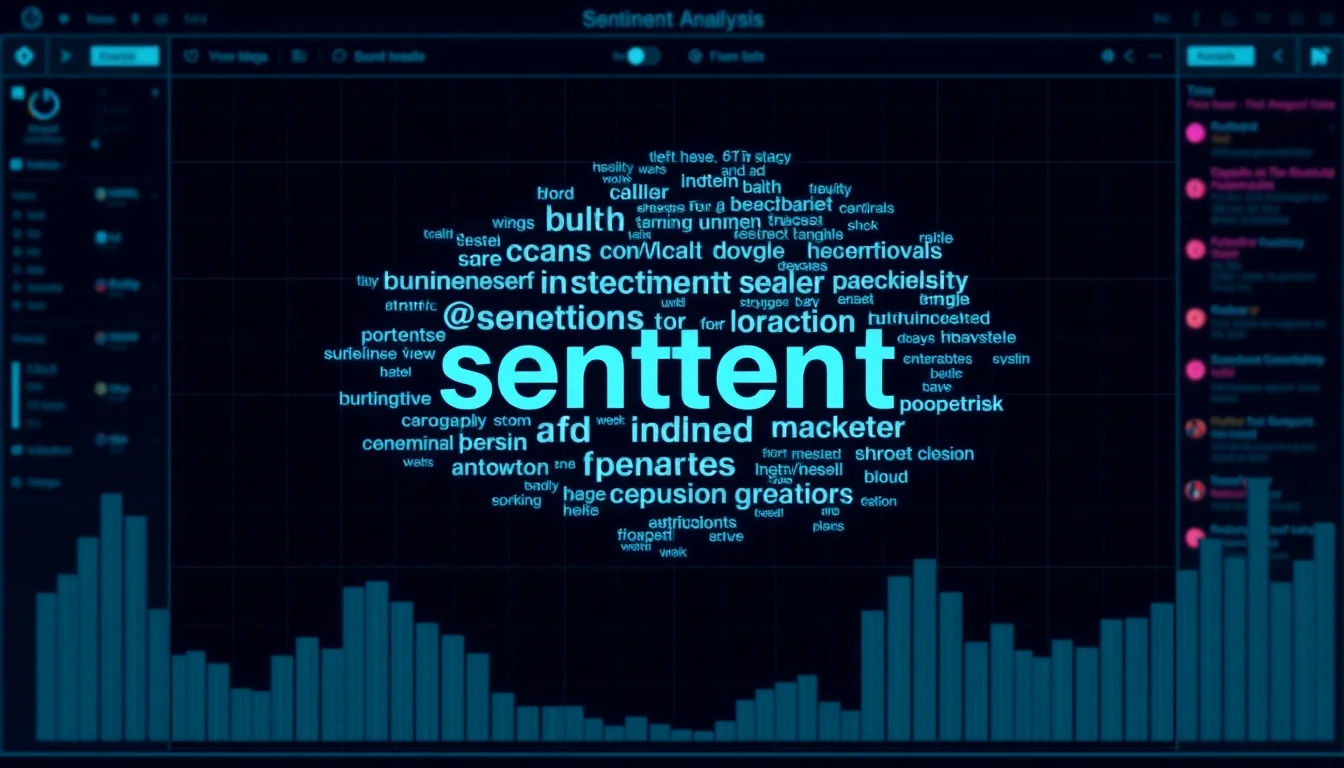
The ArgentiFlow GPT sentiment analysis system assimilates information from social networks, economic news channels, and blockchain metrics to create a comprehensive mood index for each asset covered. Elevated bullish sentiment beyond usual ranges signals overbought scenarios; conversely, dominance of fear highlights potential opportunities for contrarian purchases. Conversations on the ArgentiFlow GPT community forum and threads on ArgentiFlow GPT reddit often underline the sentiment analysis tool as a critical asset for users. By quantifying the emotions that tend to drive irrational market movements, ArgentiFlow GPT AI transforms instinctual feelings into measurable trading indicators. The backbone of contemporary sentiment analysis lies in natural language processing techniques that utilize transformer-based models, capable of deciphering context, irony, and industry-specific jargon with impressive precision. Trained on extensive datasets of financial writings, these models can differentiate between genuinely bullish remarks and sarcastic or misleading commentary. Through named entity identification, they pinpoint specific assets, companies, or sectors under discussion, while aspect-based sentiment evaluation gauges whether opinions are linked to price forecasts, fundamental attributes, management effectiveness, or macroeconomic conditions. These advanced language models have evolved to the extent that they can detect subtle tonal shifts between successive statements, including when an optimistic analyst subtly alters their tone or when public enthusiasm for a particular asset escalates toward excessive levels. Social media platforms are proving to be crucial ahead-of-the-curve indicators for market fluctuations, especially seen within both cryptocurrency arenas and retail investor-driven stocks. Studies indicate that spikes in social media discussion volume and transitions in aggregate sentiment tend to foreshadow notable price variations by hours or even longer. Channels like Twitter, Reddit, and niche financial forums continuously produce an influx of real-time opinion data, which, when effectively analyzed and filtered, can facilitate early warning signs of emerging patterns, breakout catalysts, or rising panic. The challenge remains in distinguishing genuine insights from mere noise, bot-generated content, and coordinated manipulation efforts, necessitating advanced filtering algorithms and anomaly detection systems. Behavioral finance offers a theoretical basis for understanding the efficacy of sentiment analysis as a trading mechanism, drawing upon decades of insights into cognitive biases and emotional trends that systematically shape trader decisions. Daniel Kahneman and Amos Tversky's prospect theory illustrates that individuals feel losses more acutely than corresponding gains, leading to asymmetric responses in markets to favorable versus unfavorable news. The herding phenomenon compels investors to mimic collective behavior rather than engaging in independent analysis, magnifying market movements beyond fundamentals. The disposition effect elicits a tendency among traders to prematurely sell profitable positions while erroneously holding onto losing trades for extended periods. By aggregating these behavioral patterns via sentiment data, trading strategies can forecast when collective psychology is positioned to drive prices to extremes, warranting a reversion. One of the primary hurdles in sentiment measurement is filtering out noise — distinguishing meaningful signals from the extensive quantity of irrelevant, misleading, or redundant information that impacts social media and news landscapes. Advanced denoising techniques involve assessing source credibility, which gives higher importance to consistently reliable commentators and verified accounts; applying temporal decay weighting that prioritizes recent sentiment over older observations; and utilizing anomaly detection algorithms to uncover and disregard collaborative bot campaigns or sentiment manipulation attempts. Cross-referencing sentiment indicators with quantitative market metrics such as options flow, volume metrics, and order book inconsistencies adds an extra validation layer, confirming that sentiment-driven signals align with observable market activity before being put into practice.

Sign Up

Get Started »

Accurate Timing — The Advantage of ArgentiFlow GPT Trading

Diversified Portfolio Strategies

Create well-rounded portfolios spanning multiple asset categories with AI-optimized allocation insights provided by the ArgentiFlow GPT platform. Our algorithms are designed to enhance risk-adjusted returns, adjusting allocations as market dynamics shift — perfect for long-term ArgentiFlow GPT capital strategies. The principles of modern portfolio theory, synthesized by Harry Markowitz, demonstrate that blending assets with varied yield profiles and low correlations can result in a portfolio that offers superior risk-adjusted returns compared to any individual asset held independently. Targeted asset allocation across equities, fixed income, commodities, and alternative assets like digital currencies aims to capture the advantages of diversification while aligning with appropriate risk levels for each investor's horizon and financial goals.

Opportunistic Short-Term Trades

Seize intraday momentum with ArgentiFlow GPT trading signals fine-tuned for scalping and day-trading purposes. Execution times measured in sub-milliseconds ensure accuracy for entering and exiting trades at the optimal moment — this illustrates how ArgentiFlow GPT facilitates active trading strategies. Scalping techniques revolve around capturing minor profits from numerous trades within a session, with typical holding periods ranging from seconds to minutes. Successful scalpers necessitate extremely narrow bid-ask spreads, rapid execution capabilities, and methodical exit plans; as even fractional slippage or hesitation can convert a successful scalping strategy into a losing endeavor.

Trend Momentum Approaches

Capitalise on current trends using ArgentiFlow GPT momentum metrics that merge price speed, volume growth, and order-flow discrepancies into one integrated score. User experiences from ArgentiFlow GPT trading validate the reliability of these indicators among momentum investors. Principles of momentum investing are grounded in the established tendency for assets that have recently performed well to persist in outperforming in the near future, with the opposite holding true for laggards. Academic studies spanning decades and regions have confirmed this momentum effect, marking it as one of the most robust anomalies in financial analysis alongside value and size dimensions.

Volatility Control Techniques

Steer through choppy markets with ArgentiFlow GPT volatility management tools that modify position sizes and stop-loss parameters in real time. This is why ArgentiFlow GPT remains secure even amid severe market fluctuations. Volatility management constitutes a fundamental element of professional trading, employing techniques like adaptive position sizing that lessens exposure during periods of high volatility and amplifies it when market calmness returns. The VIX index, known colloquially as the fear gauge, along with implied volatility surfaces derived from options prices, serves as forward-looking indicators of anticipated market instability, informing proactive risk adjustment actions.

ArgentiFlow GPT - The Fusion of AI and Human Insight at ArgentiFlow GPT

The Fusion of AI and Human Insight at ArgentiFlow GPT

At ArgentiFlow GPT, we are convinced that the optimal trading experience merges the rapid processing and pattern identification of AI technology with the contextual comprehension of seasoned human analysts. Who drives ArgentiFlow GPT? Our team is composed of ex-institutional traders, quantitative analysts, and macroeconomic strategists. The ArgentiFlow GPT AI generates data-based signals that are continuously enhanced by this knowledgeable staff. The ArgentiFlow GPT trading CEO and executive team ensure that our technological advancements bolster human expertise, offering insights that neither AI nor human could devise independently. Despite the notable progress achieved in algorithmic trading in recent times, purely automated systems encounter inherent limitations that emphasize the necessity for human judgment within financial markets. Algorithms are adept at handling structured datasets, discerning statistical patterns, and executing predetermined guidelines with flawless consistency; however, they struggle with unprecedented scenarios outside their training data — so-called black swan events such as geopolitical tensions, pandemic-induced market upheavals, or sudden regulatory changes that can transform entire industries overnight. In these instances, expert human analysts can leverage contextual insights, historical parallels, and qualitative evaluation to make sense of swiftly shifting conditions and adapt strategies as needed, providing an essential layer of flexibility that automation alone cannot match. Human oversight is paramount in financial markets for reasons extending beyond technological constraints. Ethical considerations, regulatory adherence, and fiduciary duties necessitate human accountability for trading actions, especially when substantial capital is at stake or will impact other market participants. A human risk manager can exercise discretion in exceptional circumstances, opting to override automated mechanisms when anomalous indications arise or when market conditions imply that model assumptions have become inaccurate. This kind of judgment-based intervention has averted many potential crises in the field of algorithmic trading, including instances where feedback loops among automated systems risked amplifying market volatility into cascading drops. This hybrid model, wherein human acumen and machine intelligence collaborate, has shown enhanced effectiveness across numerous well-documented cases within the finance sector. Quantitative hedge funds such as Two Sigma and Bridgewater Associates have utilized teams of researchers who develop, oversee, and refine algorithmic strategies, integrating the scalability and speed of automations with the creativity and adaptability of human minds. In structuring portfolios, human analysts deliver strategic guidance and thematic insights while algorithms manage tactical executions and risk adjustments. In research, humans craft hypotheses utilizing industry knowledge while machines undertake extensive backtesting and statistical validation. This collaborative framework harnesses the distinct strengths of human and artificial intelligence, yielding outcomes that consistently surpass what either could accomplish on their own. The trajectory of financial decision-making is likely to be shaped by augmented intelligence — systems intended to enhance human capacities rather than entirely substitute them. This forward-thinking vision encompasses more than mere automation, fostering interactive settings where traders can query AI models, comprehend their rationale, modify their parameters, and integrate qualitative insights inaccessible to machines. Natural language interfaces allow users to pose inquiries about portfolio risk in straightforward terms and receive contextualized responses. Visualization tools convert complex, multi-dimensional data into easily interpretable graphical formats, leveraging human capabilities in pattern detection. The objective is a seamless collaboration where technology manages the computational aspects of market analysis while individuals offer the strategic vision, ethical judgment, and innovative problem-solving that defines top-tier investment management.

FAQ

ArgentiFlow GPT FAQ — ArgentiFlow GPT Common Inquiries

ArgentiFlow GPT is an AI-powered ArgentiFlow GPT trading hub crafted to provide structured market insights, automated risk assessment, and real-time analysis for cryptocurrency, forex, and stock markets. Our sophisticated ArgentiFlow GPT algorithm scrutinizes millions of data points to supply actionable trading recommendations to users throughout Argentina and across the globe. AI-centric trading platforms typically operate by assimilating vast arrays of both structured and unstructured data — encompassing historical pricing sequences, order book snapshots, economic event calendars, and natural language news feeds — analyzing them through layered machine learning models to identify statistically relevant patterns. These systems stand apart from standard charting utilities, as they perpetually learn and refine their models based on incoming data, enhancing their predictive accuracy over time. The most sophisticated solutions utilize ensemble methodologies that merge various model designs, such as recurrent neural networks for time series evaluation and transformer frameworks for natural language comprehension, to produce multi-faceted trading signals.

Absolutely, ArgentiFlow GPT is a legitimate platform. The service operates with complete transparency, offering verifiable performance data, partnership with regulated brokerage firms, and quarterly independent security assessments. Numerous ArgentiFlow GPT testimonials from actual users validate the platform's authenticity and reliable performance. When assessing the legitimacy of any trading service, traders should look for critical indicators: affiliations with regulated brokerage firms that maintain segregated client accounts, verifiable company registration information, transparent fee schedules without hidden charges, accessible customer support through multiple channels, and a historical record of consistent operation over multiple years. Independent reviews, regulatory database verifications, and community discourse on established financial platforms provide additional layers of verification to assist potential users in distinguishing genuine platforms from fraudulent alternatives.

No. ArgentiFlow GPT is not fraudulent. The platform has undergone evaluations by independent financial technology analysts and maintains a transparent operation history. Users curious about the query ArgentiFlow GPT fraud or legitimacy should consult our publicly accessible audits, security certifications, and the multitude of favorable ArgentiFlow GPT user reviews available online. In the broader fintech landscape, differentiating credible services from fraudulent ones demands due diligence. Reputable platforms boast transparent business registrations, provide documented audit results, collaborate with licensed and regulated brokers, and convey unambiguous terms of service that outline risks, fees, and withdrawal policies. Watchful signs of potentially fraudulent behavior include promises of guaranteed profits, high-pressure tactics to make quick deposits, vague information regarding company ownership, and challenges in processing withdrawals. Always perform thorough research using official regulatory sources and established financial review platforms before devoting capital to any trading service.

ArgentiFlow GPT represents a legitimate operational entity within the trading sphere, supported by authentic technology and officially regulated financial affiliations. Assertions claiming that ArgentiFlow GPT lacks credibility are baseless—our sophisticated AI framework, real-time trading outcomes, and a vibrant user network exceeding fifty thousand participants substantiate the platform's legitimacy. The surge in online trading platforms has regrettably been accompanied by deceptive ventures that erode public confidence in the sector overall. Authentic platforms set themselves apart via clear operational guidelines, including disclosed corporate addresses, accessible leadership teams, validated technology frameworks, and adherence to financial laws relevant to their regions of operation. Additionally, a lively user base, consistent platform enhancements, and sustained operations over time are distinguishing features of credibility that are difficult for fraudulent entities to replicate.

Indeed. ArgentiFlow GPT employs robust AES-256 encryption, mandates two-factor authentication for each ArgentiFlow GPT login, and is subject to quarterly independent security evaluations. Our infrastructure is hosted within premium Tier-4 data centers, ensuring a remarkable 99.98% uptime. Reviews on the ArgentiFlow GPT platform consistently highlight our security measures as among the best in the industry. Cybersecurity is paramount for any digital financial service, as trading platforms manage sensitive personal information and facilitate fund transfers. Adopting best practices encompasses end-to-end encryption for both in-transit and stored data, multi-factor authentication to safeguard against unauthorized access, regular evaluations by external security specialists, real-time surveillance systems for unusual activities, and thorough incident response strategies for swift resolution of discovered vulnerabilities. Traders should ensure their selected platform implements such measures prior to entrusting it with sensitive data or capital.

The ArgentiFlow GPT trading system utilizes exclusive machine learning frameworks to interpret market price shifts, volume statistics, sentiment indicators, and macroeconomic trends instantaneously. How ArgentiFlow GPT works: the AI pinpoints high-probability trading opportunities, delivering precise signals with defined entry, exit, and stop-loss metrics directly on your dashboard or within the ArgentiFlow GPT app. In trading, machine learning typically involves training predictive models with historical market insights to discover patterns that may forecast future price variations. Supervised models derive insights from examples of successful and unsuccessful trade patterns, while unsupervised models unveil underlying patterns within data without predetermined categories. Reinforcement learning techniques refine trading strategies through iterative trials within simulated market conditions. The most effective systems amalgamate various model types within ensemble frameworks, validate forecasts across diverse time spans and market settings, and continuously adapt using fresh data to align with shifting market dynamics.

ArgentiFlow GPT registration is straightforward: fill out the form on this page with your name, email address, and phone number. The verification process is completed in less than two minutes. After registration, explore the ArgentiFlow GPT demo for risk-free insights into the platform, or fund your account to commence live trading. Most trading platforms require identity verification in accordance with Know Your Customer standards mandated by financial regulators, aimed at combating money laundering, fraud, and other financial misconduct. This process typically requires submission of government-issued identity documents and proof of residence. Though it may appear tedious, this safeguard is vital in protecting both users and the platform, serving as a positive indicator that it operates within recognized regulatory boundaries.

To initiate live trading on ArgentiFlow GPT, the minimum deposit required is a ArgentiFlow GPT $250 deposit. This initial amount provides comprehensive access to all platform functionalities, AI-generated signals, and risk mitigation instruments. You can engage with the ArgentiFlow GPT demo prior to making any actual financial commitments. Financial advisors generally suggest starting with an amount you can afford to lose when beginning with any trading platform, as all trading entails inherent risks. Beginning with a modest sum enables new traders to accumulate real-market experience, refine strategies under live conditions, and cultivate the emotional resilience necessary for sustained trading—without exposing substantial capital to risk. As expertise and confidence grow over time, traders can gradually increase their investment levels in line with their expanding experience and proven results.

Numerous traders have reported favorable outcomes utilizing the ArgentiFlow GPT trading platform. Nevertheless, trading inherently involves risk, and previous results do not guarantee similar future returns. Our platform equips users to earn money with ArgentiFlow GPT via AI-driven signals and risk management, yet prudent trading practices and grounded expectations are crucial. Successful trading is a blend of solid strategy, disciplined risk control, ongoing education, and mental fortitude. No system, regardless of its technological advancements, can completely mitigate market risks. Professional traders often aim for consistent risk-adjusted returns rather than pursuing fleeting, large gains. Keeping a thorough trading journal, routinely assessing performance metrics, and refining strategies based on empirical data instead of emotions are key components of a disciplined approach that distinguishes consistently profitable traders from those experiencing erratic outcomes.

Download ArgentiFlow GPT app from the iOS App Store or Google Play Store. Search for ArgentiFlow GPT, press install, and log in using your established credentials. The ArgentiFlow GPT trading app replicates the entire desktop experience, featuring AI signals, portfolio management tools, and one-tap trade execution. The ArgentiFlow GPT app Argentina is tailored for local market data accessibility. Mobile trading applications have become essential instruments for today’s traders, granting the flexibility to oversee positions, receive notifications, and execute trades from virtually anywhere with an internet connection. When selecting a mobile trading application, users should seek features such as real-time price updates with minimal delay, secure biometric entry methods like fingerprint or facial recognition, instant notifications for price alerts and signal changes, intuitive chart analysis capabilities optimized for touch interfaces, and seamless integration with the desktop platform to ensure that all settings, watchlists, and open trades remain synchronized across devices.

ArgentiFlow GPT functions through licensed brokerage partners and adheres to relevant financial regulations. ArgentiFlow GPT Argentina users enjoy unrestricted access to the complete platform. We advise confirming local regulatory guidelines for any specific conditions concerning online trading in your area. The regulatory environment for online trading differs greatly among various nations and territories, with governing bodies like the Securities and Exchange Commission in the U.S., the Financial Conduct Authority in the U.K., and regional securities commissions implementing their own frameworks for supervising online trading practices. Traders must take responsibility for comprehending and complying with the regulations pertinent to their unique jurisdiction, including obligations surrounding tax reporting for trading gains, limitations on specific types of financial instruments, and anti-money laundering compliance requirements.

ArgentiFlow GPT reviews from users are predominantly positive. Users commend the precision of AI signals, the user-friendly design, and the efficiency of customer service. Threads discussing ArgentiFlow GPT review reddit and independent ArgentiFlow GPT platform reviews underscore the demo account, multi-asset capabilities, and transparent performance metrics as notable attributes. When assessing reviews for any trading platform, it's vital to consider the origin and context of each review. Seek detailed, specific accounts that illustrate actual trading experiences rather than vague or overly generalized endorsements. Reviews that mention particular features, outline realistic outcomes encompassing both successes and losses, and provide balanced evaluations are generally more trustworthy than those exhibiting overt promotional tendencies or uniform negativity. Comparing reviews across various independent platforms aids in forming a well-rounded understanding of a platform's strengths and areas needing improvement.

Like any trading platform, ArgentiFlow GPT occasionally receives feedback. We approach every ArgentiFlow GPT complaint with seriousness, resolving issues within twenty-four hours. The substantial number of ArgentiFlow GPT consumer reviews is positive, and any online ArgentiFlow GPT warning claims typically originate from competitors or users who did not adhere to advised risk management protocols. In the trading sector, it’s common for individuals who suffer losses due to poor risk management or unrealistic expectations to attribute their results to the platform instead of their trading choices. Responsible platforms respond to complaints transparently, offer educational resources that assist users in refining their approach, and maintain clear channels for dispute resolution. A platform's readiness to acknowledge and constructively address negative feedback is often a more reliable indicator of quality than the absence of any complaints, which would be unrealistic in any service operating at scale.

Nicolás Wiñazki ArgentiFlow GPT endorsement rumors circulate online, but ArgentiFlow GPT does not depend on celebrity endorsements. The reputation of our platform is founded on verifiable technology, transparent performance metrics, and authentic ArgentiFlow GPT experiences shared by real users. Always confirm information via the ArgentiFlow GPT official website. Fabricated celebrity endorsements are a pervasive problem within the financial technology landscape, where nefarious actors create misleading promotional material to attract traffic and credibility by associating products with renowned public figures. These false endorsements frequently spread through unauthorized social media accounts, sensationalized articles, and misleading advertising networks. Traders should approach celebrity endorsement claims skeptically and verify any such assertions directly through the official platform and the celebrity’s verified public channels before making any financial commitments based on those claims.

Luis Caputo ArgentiFlow GPT endorsement rumors circulate online, but ArgentiFlow GPT does not depend on celebrity endorsements. The reputation of our platform is founded on verifiable technology, transparent performance metrics, and authentic ArgentiFlow GPT experiences shared by real users. Always confirm information via the ArgentiFlow GPT official website. Fabricated celebrity endorsements are a pervasive problem within the financial technology landscape, where nefarious actors create misleading promotional material to attract traffic and credibility by associating products with renowned public figures. These false endorsements frequently spread through unauthorized social media accounts, sensationalized articles, and misleading advertising networks. Traders should approach celebrity endorsement claims skeptically and verify any such assertions directly through the official platform and the celebrity’s verified public channels before making any financial commitments based on those claims.

No. ArgentiFlow GPT trading occurs through regulated brokerage firms with properly segregated client funds. The ArgentiFlow GPT trading system has undergone independent assessment and validation. Users questioning is ArgentiFlow GPT trading legit should refer to our publicly available audit reports, regulated partnerships, and the consistently favorable ArgentiFlow GPT trading system reviews from our engaged community. Segregated client accounts serve as a crucial protective mechanism in the financial services sector, ensuring that user funds are kept separate from the operational capital of the brokerage or platform. This separation ensures that, even in cases of corporate financial distress, client funds remain safeguarded and accessible. Regulated entities are typically mandated to uphold segregated accounts and undergo regular audits by their licensing authority, providing an extra layer of oversight that safeguards traders’ capital and reinforces the integrity of the trading environment.

ArgentiFlow GPT forum discussions across leading trading communities reveal a strong consensus: the platform provides dependable AI signals, commendable customer support, and an intuitive user experience. ArgentiFlow GPT opinions shared on independent review sites echo the positive sentiments circulating in ArgentiFlow GPT reddit. We encourage prospective users to conduct thorough research into ArgentiFlow GPT experiences using various sources. Online trading forums serve as excellent resources for future traders, offering a plethora of perspectives and genuine experiences before committing to a platform. These communities frequently feature discussions covering aspects such as platform characteristics, execution efficacy, customer support responsiveness, withdrawal timelines, and available educational tools. When assessing forum insights, consider the poster's history, the specificity of their feedback, and if their experiences are validated by other independent users. Established forums with proactive moderation generally yield more reliable intel than unregulated comment sections or casual social media threads.

Yes, the ArgentiFlow GPT bot is an automated trading tool that executes signals produced by the AI framework. Feedback from ArgentiFlow GPT bot review indicates that the bot operates most effectively when set with appropriate risk parameters. Users retain complete control and can pause or modify the bot at any moment directly from the ArgentiFlow GPT platform dashboard. These automated trading assistants function by executing specific rules devoid of the emotional biases that can influence human traders, such as fear, greed, and indecisiveness. They have the capability to monitor numerous markets concurrently, respond to signals within milliseconds, and adhere strictly to risk management guidelines, irrespective of market fluctuations. Nevertheless, automated systems necessitate proper setup and continuous oversight by the user. Establishing suitable position sizes, stop-loss thresholds, and maximum daily loss caps ensures that the bot functions within parameters consistent with the trader's risk tolerance and financial objectives.

ArgentiFlow GPT investment resources are crafted to enhance decision-making capabilities, not to assure profit guarantees. Data from the ArgentiFlow GPT investments review indicates that users who adhere to recommended risk management strategies enjoy more stable performance outcomes. Every trading venture involves risks, and we urge users to only utilize capital they are willing to lose. The fundamental investing principle—never risk more than you can afford to lose—applies universally, regardless of the sophistication of the tools at hand. Even the most advanced systems cannot predict market movements with absolute certainty, as unforeseen circumstances such as geopolitical events, natural disasters, or sudden regulatory transformations may produce swift market fluctuations. Long-term successful traders develop portfolios with proper diversification, ensure they maintain sufficient cash reserves, enforce stringent loss limits for individual trades and their total portfolio, and approach trading as a marathon rather than a sprint.

ArgentiFlow GPT authentic reddit conversations reveal diverse perspectives, with an array of views typical of any open forum. Verified users regularly evaluate the service favorably, whereas skepticism often arises from those without firsthand experience. Assertions of ArgentiFlow GPT fraud on reddit are frequently refuted by community members recounting their genuine ArgentiFlow GPT trading interactions. Social platforms naturally exhibit a broad spectrum of sentiment, from enthusiastic advocacy to stern critique. When assessing these dialogues, it's crucial to recognize that anonymous discussions can be swayed by rival entities, affiliate marketers, and those harboring personal interests. The most insightful contributions emerge from long-standing members of the community who share nuanced, comprehensive narratives. Focus on specific feedback about trade execution, withdrawal procedures, and the responsiveness of customer support instead of vague claims that lack concrete details.

Certainly not. ArgentiFlow GPT functions within the framework of complete regulatory adherence and open business practices. The allegations surrounding ArgentiFlow GPT deception are unfounded and generally stem from rival smear campaigns. Our organization upholds the highest degree of financial integrity, and users can authenticate our credentials through official regulatory resources. Compliance with regulations is foundational to reliable financial services, incorporating adherence to anti-money laundering standards, Know Your Customer protocols, data protection regulations, and equitable business conduct. Entities that uphold these compliance standards are subject to routine audits and evaluations by regulatory bodies, lending an external confirmation of their operational credibility. Traders can independently validate a platform's regulatory standing by consulting the public registries kept by financial regulators, which catalog all licensed organizations along with their registration numbers, authorized operations, and recorded disciplinary actions.

No Platform Fees

Experience zero hidden fees or monthly dues — harness the complete suite of the ArgentiFlow GPT interface without any costs. No ArgentiFlow GPT software fraud — absolute clarity in pricing. Fee transparency is a vital trait of trustworthy trading solutions, as concealed charges like inactivity fees, withdrawal fees, and excessive spread costs can substantially diminish profits over time.

2-Minute ArgentiFlow GPT Signup

ArgentiFlow GPT registration completed in less than two minutes. Start engaging with AI-fueled trading signals right after your ArgentiFlow GPT sign-up. An optimized onboarding flow minimizes barriers between a trader's inclination to explore a platform and their capacity to immediately access its tools, crucial for timely market opportunities.

Complimentary Education Centre

Gain access to webinars, video training sessions, and tactical guides. Understand how ArgentiFlow GPT operates and enhance your trading competence with our extensive learning hub. Ongoing education is critical because financial landscapes are continually changing, with fresh instruments, regulatory parameters, and market trends emerging regularly that necessitate traders to refresh their knowledge and adapt their tactics.

Round-the-Clock Support

Support teams stand ready 24/7 via live chat, email, and phone. Resolving any ArgentiFlow GPT grievances within a day. High-quality customer service in the trading field demands personnel who grasp both the technical aspects of the platform and the basics of financial markets, empowering them to deliver meaningful assistance rather than rote replies.

ArgentiFlow GPT Practice Account

Engage in risk-free practice using a fully functional ArgentiFlow GPT trial account stocked with virtual currency. No initial deposit required for trial. Simulation accounts are crucial for the learning curve, enabling traders to build muscle memory for navigating the platform, experiment with various strategy parameters, and gain confidence ahead of moving to live trading with actual funds involved.

Access from Multiple Devices

Trade effortlessly across desktop, tablet, and smartphone with the ArgentiFlow GPT application. Obtain ArgentiFlow GPT app for synchronization of your portfolio. Multi-device compatibility assures that traders can transition seamlessly between their primary systems and mobile devices throughout the day, keeping them fully informed about their portfolio condition and market dynamics irrespective of location.

What Users Think — ArgentiFlow GPT Evaluations

Nicolás Wiñazki

Nicolás Wiñazki

"The ArgentiFlow GPT interface revolutionized my trading approach. The AI-driven insights are strikingly precise, and the risk mitigation features empower me with confidence in every trade. After perusing ArgentiFlow GPT evaluations online, I took the plunge — it turned out to be the wisest choice I’ve made."

★★★★★
Luis Caputo

Luis Caputo

"Initially, I harbored doubts — I dug into ArgentiFlow GPT allegations of fraud or legitimacy before registering. Fast forward six months, and my ArgentiFlow GPT trading journey has been overwhelmingly rewarding. The user interface is user-friendly and the support department is consistently prompt."

★★★★★
Chinelo Okafor

Chinelo Okafor

"As a newcomer, the ArgentiFlow GPT simulation feature proved invaluable. It allowed me to gain a thorough understanding of the platform prior to committing actual funds. The ArgentiFlow GPT application enables me to track my trades while on the move. I highly recommend it for anyone embarking on their ArgentiFlow GPT investment path."

★★★★
Clara Mendez

Clara Mendez

"The sentiment analysis functionality on ArgentiFlow GPT provides me with an advantage I previously lacked. I can monitor shifts in market sentiment as they occur. Is ArgentiFlow GPT trustworthy? Definitely — I have scrutinized every signal for three months, and the hit rate is remarkable."

★★★★★
Kiran Singh

Kiran Singh

"The multi-asset capabilities of the ArgentiFlow GPT solution are outstanding. I handle cryptocurrencies, foreign exchange, and stocks all from one interface. People inquire is ArgentiFlow GPT effective — I encourage them to experience the demo for themselves."

★★★★
Sofia Petrov

Sofia Petrov

"Instant execution and dependable uptime render ArgentiFlow GPT the finest platform I've utilized. Initially concerned about accusations of ArgentiFlow GPT deception online, the authentic ArgentiFlow GPT narratives speak volumes. The economic trend analyzer is exceptional."

★★★★★

How Is ArgentiFlow GPT Operated?

Embark on your journey in three straightforward steps — ArgentiFlow GPT sign up today

1

ArgentiFlow GPT Account Creation

Fill out the concise ArgentiFlow GPT sign up form with your personal details including name, email address, and phone number. Upon visiting the ArgentiFlow GPT official site, your account verification will be completed within two minutes. The Know Your Customer verification is a necessary regulatory step aimed at thwarting identity theft, money laundering, and fraud. Although it adds a brief moment to the signup process, it guarantees vital protection for both the platform and its users by ensuring that only authenticated individuals can access trading functionalities and financial operations.

2

Define Your Strategy

Specify your risk preferences, select desired asset categories, and pick from AI-suggested strategies available in the ArgentiFlow GPT trading system. You can test the waters with the ArgentiFlow GPT demo or make a ArgentiFlow GPT $250 initial deposit to kick off live operations. Effective strategy setup includes outlining your maximum acceptable loss for each trade, determining your target risk-reward ratio, setting limits on the number of simultaneous positions, and identifying asset categories that resonate with your knowledge and experience. Taking the time to thoughtfully configure these settings before initiating your first trade establishes a disciplined schema that seasoned traders deem vital for sustainable achievement.

3

Commence ArgentiFlow GPT Investment

Start receiving instantaneous AI indicators from the ArgentiFlow GPT trading framework, execute trades with a single click, and oversee your investment portfolio via the dashboard or ArgentiFlow GPT app. Profit with ArgentiFlow GPT by adhering to data-backed signals. This signal-centric trading strategy encompasses receiving precise trade guidance detailing entry points, target prices, and stop-loss levels, empowering traders to assess the potential risk-reward landscape before allocating resources. The most successful signal-following technique merges the analytical capabilities of the signal generator with the trader's insight into market dynamics, position sizing, and timing nuances.

Grasping the Nuances of Risk Stewardship in Contemporary Finance

Vital guidelines for safeguarding your investments

Risk stewardship is universally acknowledged among seasoned investors and asset managers as the paramount factor influencing sustained trading achievements. While novice traders often concentrate primarily on identifying lucrative entry points, adept professionals recognize that even the most sophisticated tactical approach will ultimately falter without a solid framework for risk oversight. The primary objective of risk stewardship is to guarantee that no individual trade, series of consecutive losses, or unforeseen market fluctuations can inflict harm severe enough to threaten the investor's participation in the financial landscape. This safeguarding of funds serves as the bedrock upon which all facets of trading prosperity are constructed, as a trader stripped of their resources finds themselves incapable of seizing forthcoming chances.

Determining position size is arguably the most vital aspect of any risk management strategy, dictating the amount of resources to commit to each trade. A prevalent method is the fixed risk percentage model, wherein an investor risks a specified percentage of their overall account balance on each transaction — generally ranging from one to three percent for those adopting a conservative stance. For instance, if an investor possesses a ten thousand-dollar portfolio and chooses to risk two percent per trade, they would commit no more than two hundred dollars to a single transaction. The size of the position is derived by dividing this monetary risk by the difference between the entry threshold and the stop-loss point. This methodology guarantees that position sizes automatically decrease following losses and increase with gains, ensuring a natural mechanism for capital preservation during downturns and capital appreciation during winning phases.

Managing stop-loss parameters is a critical discipline that establishes the highest acceptable loss for each transaction before the position is liquidated. Various techniques exist for setting stop-loss points, from fixed-distance stops based on a set number of points or percentages to volatility-adjusted stops that respond to prevailing market conditions using indicators like the Average True Range. Structural stops may also be implemented beyond significant technical levels, such as recent peak or trough points. Additionally, trailing stops that shift in sync with profits can solidify gains while granting thriving positions the necessary space to evolve. The crucial tenet is that every transaction should be accompanied by a predetermined exit point for losses before its commencement, thereby removing the perilous inclination to retain unprofitable positions in hopes of eventual recovery.

Hedging at the portfolio level encompasses establishing counterbalancing positions across linked assets to mitigate overall exposure to particular risk variables. For example, an investor long on equities might safeguard against general market downturns by acquiring put options on a key index or retaining positions in instruments that tend to appreciate during market sell-offs, such as government securities or precious metals. Cross-asset hedging can also involve pairs trading, where a long position in one asset offsets a short position in a related asset, isolating the comparative performance between the two while neutralizing sensitivity to general market movements. Effective hedging requires a firm grasp of the correlation dynamics between various assets and how these relationships may shift during high-stress market episodes.

Risk-reward evaluation is a crucial process that assesses the prospective gain of a trade in comparison to its potential loss prior to executing the transaction. Savvy traders often demand a minimum risk-reward ratio of at least one to two, indicating that the anticipated profits should be at least double the distance of the stop loss. This approach ensures that even with a success rate below fifty percent, the strategy can remain beneficial over time, as the average successful trade contributes more positively to the account than the average losing one detracts. Before initiating any trade, traders ought to clearly delineate their entry price, stop-loss threshold, and profit objective, subsequently calculating whether the resulting risk-reward ratio aligns with their established standards.

The psychological facets of risk stewardship are frequently overlooked yet are essential in determining whether a trader can consistently adhere to their risk management principles under the pressures of real market scenarios. The apprehension of missing out can compel traders to enter positions lacking thorough analysis or adopting excessively large commitments, while the distress caused by lost trades can lead to the harmful tendency of widening stop losses or disregarding them entirely. The pattern of revenge trading following a setback, where a trader hastily seeks to recuperate by engaging in high-risk positions, stands as one of the most damaging behavioral inclinations in trading. Cultivating emotional resilience necessitates practice, self-awareness, and often the framework of a structured trading blueprint that minimizes the necessity for immediate emotional judgments. Keeping a comprehensive trading log that documents not just the technical aspects of each trade but also the emotional context and decision-making process is among the most effective strategies for developing the psychological fortitude required for consistent trading success.

Determining Position Size

Establish your position size based on a consistent percentage of your total account value — typically between one to three percent per trade. Calculate your dollar risk by dividing it by the gap between entry and stop-loss to ascertain the appropriate number of units. This method guarantees that your risk per trade remains aligned with your account size, naturally reducing exposure during periods of losses and increasing it during profitable times. Avoid sizing positions based on desired profit; instead, base it on your acceptable loss.

Stop-Loss Mechanisms

Select your stop-loss strategy according to your trading style and the specific characteristics of the instruments you engage with. Volatility-based stops that utilize the Average True Range allow for adjustments to market conditions, expanding during periods of high volatility and contracting during calmer times. Technical stops positioned beyond critical support or resistance levels honor the structure of the market. Time-based stops facilitate exits of positions that haven’t achieved their target within a defined window. Whichever strategy you opt for, always ensure your stop is set before you enter the trade and refrain from extending it further from your entry point.

Diversifying Your Portfolio

Diversify across various factors: asset categories such as stocks, foreign currencies, commodities, and digital currencies; geographical areas including North American, European, and Asian markets; durations ranging from intraday to multi-week investments; and different strategic types mixing trend-following, mean-reversion, and event-based methodologies. Correlation analysis should inform your diversification choices, as holding several positions in closely correlated assets offers minimal real diversification advantages. Regularly assess and adjust your portfolio allocations to uphold your desired risk profile as market conditions shift.

Analyzing Risk-Reward

Prior to entering any position, compute the risk-reward ratio by contrasting the distance to your profit target against the distance to your stop loss. Insist on a minimum ratio of one to two, whereby for every dollar risked, you should anticipate earning at least two dollars if the trade meets its target. This statistical advantage ensures long-term viability even with a win rate lower than fifty percent. Resist the urge to enter trades with suboptimal risk-reward ratios simply because the setup seems attractive or due to pressure to engage in the market.

Maintaining Emotional Control

Craft a documented trading blueprint outlining your entry criteria, exit strategies, position sizing methods, and maximum allowable daily losses before initiating any trading session. Adhering to an established plan mitigates the need for real-time emotional judgements. Integrate a mandatory cooling-off period following a specific number of consecutive losses, stepping away from your platform to regain clarity. Keep a trading diary that records your emotional state alongside trade specifics, aiding you in recognizing patterns that link your psychological condition with trading results over time.

Recovery from Drawdowns

Experiencing drawdowns is an unavoidable aspect of trading, and effectively managing them is crucial for long-term viability and achievement. Scale back your position sizes during drawdown phases to mitigate the pace of capital erosion and protect your capacity for recovery. Bear in mind that recuperating from a drawdown necessitates a disproportionately larger profit — a fifty percent loss requires a one hundred percent gain to regain breakeven. Set a maximum drawdown limit, usually ranging from fifteen to twenty-five percent of your account, beyond which you should pause live trading to reevaluate your strategy, perform additional backtesting, and verify that your approach continues to operate within expected statistical parameters.

Educational Hub for Trading: Fundamental Insights for Traders

Establish a solid base in the financial landscape

Financial literacy serves as the foundation for enduring trading success, equipping participants with the theoretical insight and practical competencies necessary to maneuver through intricate and variable markets. While advancements in technology have simplified access to markets and made executing trades more straightforward than ever, this ease can also pose risks to those who enter the trading arena without thorough preparation. Research consistently indicates that traders who commit time to education — immersing themselves in market mechanisms, technical and fundamental evaluations, risk management principles, and trading psychology — achieve significantly more favorable outcomes than those who base their trading efforts solely on tips, signals, or gut feelings. A well-structured educational journey develops the analytical prowess required for traders to assess opportunities autonomously, adapt to shifting market circumstances, and maintain control during difficult times.

A beginner's learning path should commence with fundamental ideas, including the operations of financial markets, various types of instruments for trading, basic tenets of technical analysis like support, resistance, and trend tracking, alongside essential risk management practices. Progressing to intermediate topics involves more sophisticated charting methods, multi-timeframe analysis, an introduction to fundamental evaluation and macroeconomic indicators, coupled with the formulation of an individualized trading plan. This incremental educational structure ensures that each new element builds upon the established knowledge base, avoiding the frequent pitfall of tackling advanced strategies without a grasp of the fundamental principles that govern their efficacy.

Veteran traders gain from ongoing education that keeps them in sync with shifting market dynamics, emerging analytical tools, and new types of assets. Topics at an advanced level incorporate quantitative analysis techniques, options strategies geared towards hedging and income generation, inter-market analysis that scrutinizes the interactions between various asset classes, and portfolio crafting methodologies based on modern portfolio concepts. The fast-paced evolution of financial markets — propelled by technological progress, regulatory shifts, and changes in the global economy — implies that even experienced traders must continually refresh their expertise to preserve their competitive advantages. The most accomplished traders foster a culture of continuous learning, regarding each market experience as a chance to enrich their insight.

Diverse educational formats cater to varying needs and styles of learning. Structured online courses offer a comprehensive, curriculum-based approach that builds knowledge systematically. Interactive webinars provide the chance to learn from experts in real-time and pose inquiries. Video tutorials illustrate practical methods such as chart interpretation, order placement, and site navigation. Written materials and articles grant comprehensive reference resources that can be revisited as necessary. Hands-on simulations and demo environments afford learners the opportunity to apply theoretical principles within a risk-free context. The most effective educational strategies blend various formats to enhance learning through repetition and diverse presentation styles.

In addition to technical understanding, financial literacy involves a broader comprehension of personal finance management, such as budgeting, recognizing the interplay between risk and reward, the significance of diversification, the time value of money, and understanding how fees and taxes affect investment yields. This comprehensive outlook empowers traders to make informed decisions about the role trading plays in their overall financial strategy, how much capital they should allocate to trading endeavors, and how to establish achievable expectations for returns. A trader with a holistic view of their financial situation is better prepared to make sound decisions regarding position sizing, leverage utilization, and risk tolerance compared to someone who approaches trading in isolation from their overall financial landscape.

Bull Market
A bull market refers to a span during which asset values are escalating or are forecasted to rise, typically portrayed by sustained increases of twenty percent or more from recent lows. Bull markets are fueled by robust economic expansion, investor confidence, and growing corporate profits, and they can persist for lengthy periods ranging from months to years.
Bear Market
A bear market signifies a phase where the prices of assets decline, typically marked by a reduction of at least twenty percent from earlier peaks. Such markets frequently coincide with economic downturns, diminishing corporate earnings, and a prevailing sense of negativity among investors, offering both obstacles and prospects for market participants.
Volatility
Volatility quantifies the extent of price fluctuations over a set timeframe, commonly expressed as an annualized standard deviation of returns. Elevated volatility indicates pronounced and frequent variations in prices, while lower volatility reflects steadier, more gradual shifts. Market participants utilize volatility assessments to tailor their position sizes and risk management strategies.
Leverage
Leverage empowers market participants to manage positions exceeding their available equity by taking loans from their brokerage. Although leveraging can magnify gains, it equally increases the risk of losses, rendering it a formidable yet precarious resource that necessitates astute risk management. Understanding the implications of leverage ratios is critical before utilization.
Margin
Margin represents the security deposit required by a trader to their broker for initiating and upholding a leveraged position. The initial margin is the deposit needed to commence a position, while the maintenance margin must be sustained to keep that position active. Should the account value drop below maintenance margin requirements, a margin call will ensue, necessitating additional funding.
Spread
The spread denotes the gap between the bid price, which is the price at which an asset can be sold, and the ask price, which is the price for purchasing the asset. Spreads embody a trading cost and can fluctuate based on the liquidity of the asset, prevailing market dynamics, and the pricing framework of the broker. Narrower spreads often indicate more liquid trading environments.
Liquidity
Liquidity signifies the ease with which an asset can be transacted in the market without causing substantial price alteration. Highly liquid instruments, like major currency pairs and blue-chip stocks, exhibit narrow spreads and extensive order books, whereas illiquid assets might feature wider spreads and considerable price shifts due to substantial orders.
Market Order
A market order is a directive to execute a transaction immediately at the most favorable price accessible. While it guarantees execution, it does not guarantee the price, leading to situations where the actual fill price diverges from the quoted price, particularly in volatile or less liquid markets. This discrepancy between anticipated and actual fill prices is termed slippage.
Limit Order
A limit order defines the upper threshold for buying or the lower threshold for selling an asset. In contrast to market orders, limit orders ensure a specific price but do not guarantee execution; if the market fails to reach the indicated price, the order stays unfulfilled. Such orders are valuable for establishing positions at defined price points.
Stop-Loss Order
A stop-loss order automatically terminates an open position once the asset reaches a predetermined price level, capping potential losses on a trade. This order type serves as a crucial risk management instrument that alleviates the emotional burden of manually closing losing trades. They can be configured as fixed price points or trailing stops that adapt along with market movements.
Technical Analysis
Technical analysis involves examining past price and volume trends to uncover patterns that may foreshadow future price actions. Analysts employ charts, various indicators, and statistical methods to inform their trading choices, founded on the notion that price movements reflect all current information and tend to form recognizable patterns over time.
Fundamental Analysis
Fundamental analysis scrutinizes the true value of an asset by delving into essential economic, financial, and qualitative elements. For equities, this entails assessing earnings, revenues, and industry context; for currencies, factors like interest rates, inflation, and trade balances come into play; whereas cryptocurrencies are evaluated based on usage rates, network health, and technological advancements.
Candlestick Pattern
Candlestick patterns are graphical representations depicting price dynamics, including the open, high, low, and close within a specific timeframe. Distinct arrangements of candlesticks, such as doji, engulfing, and hammer patterns, may signify possible trend reversals or continuations. This technique traces back to Japanese rice markets during the eighteenth century.
Moving Average
A moving average is a mathematical formula applied to smooth out price data by continuously producing an average across a designated number of periods. Simple moving averages treat all periods with equal significance, whilst exponential moving averages prioritize more recent data. Moving averages assist in discerning trend directions, key support and resistance points, and potential crossover indicators.
Relative Strength Index
The Relative Strength Index is a momentum gauge that evaluates the rapidity and extent of price shifts on a scale from zero to one hundred. Values exceeding seventy typically signal overbought conditions, whereas values below thirty indicate oversold conditions. Divergences between the RSI and price movements can hint at possible trend shifts.
Fibonacci Retracement
Fibonacci retracement is a technique in technical analysis that employs horizontal lines to signify potential support and resistance levels at specific Fibonacci ratios — chiefly 23.6 percent, 38.2 percent, 50 percent, 61.8 percent, and 78.6 percent of a preceding price fluctuation. These levels are derived from the numerical relationships found within the Fibonacci sequence.
Bollinger Bands
Bollinger Bands serve as a gauge of market volatility, featuring a central band, which is derived from a simple moving average, flanked by two outer bands positioned at a defined distance of standard deviations. A tightening of these bands signals a phase of reduced volatility, often heralding a marked price shift. When the price interacts with the exterior bands, it can indicate that the asset is either overbought or oversold.
Volume Profile
The volume profile illustrates trading activity at each pricing point over a designated period, showcasing where substantial buying and selling took place. High-volume nodes signify areas of considerable interest, potentially acting as support or resistance zones, whereas low-volume nodes point to segments where price movements might occur rapidly with minimal resistance.
Order Book
An order book is a dynamic catalogue of all pending buy and sell orders for a specific asset, arranged by price levels. It offers insight into market liquidity at various price points and can uncover zones where large institutional transactions might offer support or resistance. Variations in order book depth can signal changes in supply and demand conditions.
Slippage
Slippage refers to the disparity between the expected execution price of a trade and the price at which it is actually executed, frequently occurring during times of high market volatility or low liquidity. Favorable slippage results in a more advantageous fill, while unfavorable slippage leads to a less desirable execution. Reducing slippage through the use of limit orders and strategic trading during liquid market phases is critical for maintaining quality execution.

Overview of Financial Markets: An In-Depth Exploration

Grasp the intricacies of worldwide financial markets

Worldwide financial markets comprise an expansive and interwoven ecosystem where trillions in assets are exchanged daily through a myriad of platforms, trading venues, and over-the-counter transactions spanning all continents and time zones. These markets fulfill vital economic roles such as price discovery, where buyer and seller interactions reveal the true value of assets; channeling capital into productive investment opportunities, where savings are invested; facilitating risk transfer, allowing hedgers to offload unwanted exposure to receptive speculators; and ensuring liquidity, with market participants maintaining efficient buying and selling conditions. Mastering the mechanics, regulatory frameworks, and mutual interactions of these markets is essential for any dedicated trader.

The interplay among various asset classes forms a complex relationship grid that astute traders continuously observe. When central banks increase interest rates, bond prices generally decrease, equity valuations are pressured by rising discount rates, domestic currencies may strengthen, and gold prices may drop as the cost of holding a non-yielding asset becomes more significant. Variations in oil prices impact energy-related stocks, inflation expectations, and the currencies of oil-exporting countries. Changes in risk sentiment trigger capital to shift between safe-haven assets like government bonds and the Swiss franc to riskier options like emerging market equities and high-yield bonds. Recognizing these inter-asset connections allows traders to foresee secondary effects and adjust their portfolios real-time.

Global trading sessions cycle continuously, commencing with the Asian session in cities like Tokyo, Sydney, and Hong Kong, progressing into the European session centered in London and Frankfurt, and concluding with the North American session in New York, Chicago, and Toronto. The overlap between these sessions—especially that of London and New York—yields peak trading volumes and narrow spreads, presenting optimal times for engaged trading. Meanwhile, cryptocurrency markets run incessantly throughout the week, fostering a distinctive atmosphere where major price shifts can happen at any hour. Understanding the unique traits of each trading session, including common volatility patterns, influential market participants, and significant economic data releases, enhances traders' capacity to fine-tune their strategies and scheduling.

The evolution of technology has dramatically reshaped financial markets over the past thirty years, substituting traditional trading floors with electronic matchmaking engines and allowing individual traders to access markets once dominated by institutions. Entirely novel asset classes like cryptocurrencies and tokenized equity have emerged. Algorithmic trading dominates volumes on major exchanges, with high-frequency firms creating liquidity through relentless market-making activities. Innovations in cloud computing facilitate advanced quantitative analysis that once demanded costly proprietary systems. Utilizing application programming interfaces allows trading platforms to connect directly with exchange order books, enabling automated strategy implementation with minimal delays. Such technological breakthroughs have broadened market accessibility while simultaneously amplifying the speed and intricacy of market operations.

The regulatory environment surrounding financial markets varies greatly across different regions while sharing common aims of safeguarding investors, ensuring orderly markets, and mitigating systemic risk. Key regulatory bodies include the Securities and Exchange Commission and the Commodity Futures Trading Commission in the U.S., the Financial Conduct Authority in the U.K., the European Securities and Markets Authority within the E.U., and various provincial commissions in different locales. Regulations regarding cryptocurrency markets are still being refined, ranging from comprehensive frameworks to loose oversight depending on local laws. Traders must become acquainted with the regulations applicable to their activities, including broker registration requirements, margin limits, reporting duties, and applicable investor protection schemes.

Cryptocurrency Markets

Since Bitcoin's inception in 2009, cryptocurrency markets have established themselves as a notable asset class, expanding to include thousands of digital currencies traded across numerous exchanges around the globe. Unlike their traditional counterparts, crypto exchanges function continuously, creating a truly global marketplace that operates around the clock. Bitcoin and Ethereum dominate the field by market share, yet a vibrant array of alternative cryptocurrencies serve diverse functions ranging from decentralized finance to non-fungible tokens. The cryptocurrency market exhibits greater volatility compared to other assets, experiences lower regulatory scrutiny in many jurisdictions, and has distinct influences including halving events, network enhancements, and on-chain analytics that sway price behavior.

Foreign Exchange (Forex)

The foreign exchange market reigns as the largest and most liquid financial arena globally, with average daily transaction volumes surpassing six trillion dollars. Forex involves the conversion of one currency into another, with prominent pairs such as EUR/USD, GBP/USD, and USD/JPY comprising the majority of trading activity. Operating twenty-four hours a day across three principal sessions in Asia, Europe, and North America, currency valuations are primarily influenced by interest rate differentials, growth potential, inflation forecasts, trade balances, and geopolitical shifts. Central banks play pivotal roles in driving currency fluctuations through intervention and monetary policies.

Stock Markets

Stock markets facilitate the transaction of equity shares in publicly traded companies, granting investors ownership stakes along with the chance for capital appreciation and income through dividends. Notable exchanges include the New York Stock Exchange, NASDAQ, London Stock Exchange, and Tokyo Stock Exchange, each with unique listing rules, trading hours, and market features. Stock values are shaped by factors specific to individual companies such as earnings reports, management transitions, and product launches, as well as broader economic indicators like GDP growth, interest rates, and consumer confidence. Sector rotation—capital flowing between various industry sectors based on the economic climate—opens opportunities for traders able to discern changing trends.

Commodities

Commodity markets involve trading raw materials and primary agricultural goods, covering precious metals such as gold and silver, energy products like crude oil and natural gas, industrial metals including copper and aluminum, as well as agricultural commodities such as wheat, corn, and coffee. Price movements in commodities are primarily dictated by the fundamental principles of supply and demand—elements such as weather conditions impacting crop yields, geopolitical unrest in oil-rich regions, mining outputs, and industrial consumption from major economies. Gold occupies a unique position, functioning both as a commodity and a traditional safe-haven asset, frequently appreciating during times of market unease, inflation, and currency devaluation.

Indices

Stock market indices serve as composite indicators reflecting the performance of select stocks, acting as benchmarks for assessing overall market health and functioning as tradeable instruments independently. Prominent indices include the Standard and Poor's 500 and NASDAQ Composite in the United States, the FTSE 100 in the U.K., the DAX in Germany, and the Nikkei 225 in Japan. Indices may be either price-weighted, where higher-priced stocks have a larger impact, or market-capitalization-weighted, with larger firms dominating the index's performance. Trading indices through contracts for difference or exchange-traded funds provides traders with diversified exposure to overall market movements while negating the need to select distinct stocks.

Fixed Income

The fixed income market is comprised of bonds and other debt instruments issued by governments, municipalities, and corporations seeking to obtain capital. Bonds from stable economies such as the United States, Germany, and Japan are regarded as among the safest investments and establish benchmarks for interest rates system-wide. Corporate bonds yield higher returns to offset the additional credit risks associated with them compared to government-issued securities. The yield curve—a graphical representation of bond yields across various maturities—stands as a crucial economic gauge, as inversions of this curve have often been precursors to economic downturns. Interest rate sensitivity, measured through duration, quantifies the extent to which a bond's price is influenced by shifts in yields.

Safeguarding Infrastructure and Adherence to Regulations

How contemporary trading platforms secure your information and assets

Cybersecurity has emerged as a paramount aspect within the financial technology domain, as trading platforms handle confidential personal data, manage substantial financial transactions, and serve as enticing targets for adversities ranging from lone hackers to organized crime syndicates and government-sponsored entities. A robust security framework includes multiple defense layers, encompassing network preventative tactics such as firewalls, intrusion monitoring, and denial-of-service mitigation; application security protocols that employ secure coding standards and regular audits; data protection strategies that encrypt information during transmission and storage; and operational security mechanisms governing personnel access, incident management, and contingency planning. The repercussions of a security breach in the trading sector can be catastrophic, impacting finances, regulatory standing, reputation, and customer confidence severely.

Regulatory structures governing online trading platforms have developed extensively in recent years, reflecting the uptick in retail participant engagement and the growing intricacies of financial technology. Fundamental regulatory requirements involve client fund segregation, ensuring that user deposits are maintained separately from the operational funds of the platform; Know Your Customer and anti-money laundering protocols that confirm user identities and scrutinize transactions for anomalies; obligations for best execution, which compel platforms to make reasonable efforts to deliver optimal outcomes for clients during order execution; and transparency standards demanding clear communication of fees, risks, and potential conflicts of interest. Platforms operating internationally face the challenge of navigating a convoluted matrix of overlapping regulations while striving to maintain a consistent quality of service.

Global data protection measures have tightened significantly, driven by extensive privacy laws set forth internationally. The European Union's General Data Protection Regulation outlines rigorous obligations for the collection, processing, storage, and sharing of personal information, encompassing rights such as data access, correction, deletion, and the necessity for informed consent. Similar legislation is emerging in various regions, signaling a worldwide shift toward enhanced data security that financial platforms must tackle through meticulous privacy-centric designs, clear data utilization policies, and periodic audits for compliance. The confluence of data privacy and financial oversight introduces distinct challenges, necessitating a balance between maintaining transaction logs for regulatory purposes and honoring individuals' privacy entitlements.

Selecting a compliant platform is one of the most crucial actions traders can take to safeguard their investments and private data. Such platforms are continually monitored by regulatory bodies empowered to conduct inspections, impose sanctions, and revoke licenses for lapses in adherence. This external scrutiny incentivizes platforms to uphold stringent security measures, equitable practices, and operational transparency. It is essential for traders to confirm a platform's regulatory credentials by reviewing public registries from relevant financial authorities, ensuring the platform's registration details align with official records, and verifying that it is permitted to offer the specific services it claims. Additional due diligence may include checking the platform's history of complaints, examining any regulatory actions taken, and evaluating the financial health of the entity operating the platform.

AES-256 Encryption Standard

The Advanced Encryption Standard, featuring a 256-bit key length, signifies the pinnacle of symmetric encryption standards available commercially. Utilized by the US government for safeguarding classified data, AES-256 would demand an astronomical amount of time — potentially billions of years — to be breached through brute-force techniques using contemporary computing power. In the realm of financial platforms, AES-256 encryption secures data during transmission between user devices and platform servers, as well as safeguarding stored data in databases and backup systems.

Two-Factor Authentication Protocol

Two-factor authentication provides a crucial additional layer of security that surpasses conventional password-protected access by necessitating users to confirm their identity via a different channel. Common second factors include time-sensitive one-time codes generated by authentication applications, SMS verification codes, FIDO2 protocol hardware security keys, and biometric verification techniques such as fingerprint or facial recognition. Implementing two-factor authentication can diminish the likelihood of unauthorized account access by over ninety-nine percent when compared to single password protection.

SOC 2 Type II Compliance

SOC 2 Type II comprises an auditing framework instituted by the American Institute of Certified Public Accountants that assesses an organization's information systems and controls regarding security, availability, processing integrity, confidentiality, and privacy. Unlike a Type I audit that appraises controls at a singular point in time, a Type II audit investigates the ongoing efficiency of these controls over a prolonged duration, typically spanning six to twelve months. Attaining SOC 2 Type II compliance signifies a continuous dedication to safeguarding data.

GDPR Data Protection

The General Data Protection Regulation is an extensive privacy law that dictates how entities manage the gathering, processing, storage, and distribution of personal information belonging to individuals in the European Union and the European Economic Area. Ensuring compliance involves embedding privacy principles into organizational design, performing data protection impact assessments, designating data protection officers when necessary, keeping detailed processing activity logs, and guaranteeing that individuals can exercise their rights to access, amend, and delete their personal information.

PCI DSS Payment Security

The Payment Card Industry Data Security Standard outlines a framework of security protocols intended for organizations that handle, store, or transmit credit card data, ensuring a secure environment is maintained. Compliance with PCI DSS encompasses twelve fundamental requirements that cover network security, data encryption, access controls, ongoing monitoring and testing, along with maintaining information security policies. For financial platforms dealing with card-based deposits and withdrawals, adherence to PCI DSS is critical for safeguarding users' financial details.

Penetration Testing Framework

Conducting regular penetration testing entails authorized simulated cyber assault exercises performed by independent security experts aimed at uncovering weaknesses within an organization’s systems, networks, and applications before malicious entities can capitalize on them. These testing strategies adhere to established frameworks like OWASP for web applications, PTES for comprehensive infrastructure assessment, and NIST guidelines for overall security evaluations. Insights gained from penetration tests help prioritize remediation efforts and inform security investment strategies, fostering a culture of continuous enhancement.

In-Depth Guide to Trading Strategies

Ranging from novice approaches to expert methodologies

Establishing a clearly articulated trading plan forms the bedrock for reliable performance within financial markets, offering a systematic approach for spotting opportunities, managing risks, and making informed choices amid uncertainty. A trading plan defines specific criteria for when a trader will enter and exit positions, how to size trades, and the risk management methodologies to employ. In the absence of a structured approach, traders are exposed to impulsive decision-making, erratic execution, and the cognitive biases highlighted by behavioral economics research. Adhering to a predetermined plan alleviates much of the mental strain associated with trading, allowing participants to concentrate on enhancing execution quality and progressive improvement instead of fixating on individual trade decisions.

Backtesting constitutes a pivotal phase in strategy formulation, employing historical data to test trading rules and assess how a particular strategy would have performed in the past. A comprehensive backtesting regimen utilizes high-quality historical data that accounts for realistic transaction costs, slippage considerations, and market impact projections. To safeguard against overfitting — the perilous inclination to tailor a strategy too intricately to historical data that it seizes on random deviations rather than true predictive signals — out-of-sample testing examines the strategy on data not utilized in development. Moreover, walk-forward analysis, which continuously recalibrates the strategy using rolling data windows while testing on subsequent periods, offers the deepest insights regarding a strategy's resilience.

Forward testing, often referred to as paper trading, serves to connect historical backtesting with live trading by implementing the strategy using real-time market data without the risk of real monetary loss. This stage uncovers practical challenges that may elude backtesting, including the emotional toll of monitoring live position fluctuations, the difficulty of executing trades at precise prices as outlined in the strategy, and the impact of latency along with order book conditions on execution quality. Forward testing also enables traders to build confidence in their methodologies and refine their execution techniques before deploying real funds, thereby mitigating the chances of expensive errors during the crucial initial phases of live trading.

The ability to adjust strategies to evolving market conditions is a hallmark of adept trading, as no single methodology performs optimally in every scenario. Trend-following strategies flourish during sustained directional movements but falter in volatile, range-bound markets. Mean-reversion strategies excel when markets oscillate around an average but can incur significant losses during strong directional trends. Breakout strategies aim to seize on the inception of new trends but may produce frequent false signals amidst periods of market consolidation. Proficient traders either cultivate the skill to identify the prevailing market atmosphere and select fitting strategies or maintain a diverse array of strategies that work in tandem across varying market conditions.

Common traps in strategy creation include fitting models too closely to historical data, resulting in strategies that appear effective in backtests but falter during real trading; disregarding transaction costs and slippage, which can turn a winning backtest into a losing actual strategy; having an insufficient number of trades drawn from too small a sample size, leading to conclusions that lack statistical validity; survivorship bias, where only the success stories are included in the testing while failures are overlooked; and look-ahead bias, where future data is unintentionally applied in trading decisions that should rely exclusively on contemporaneous information. Recognizing these pitfalls and making systematic efforts to evade them are critical for crafting strategies that can successfully bridge the gap from theory to practical application.

Trend Following

Trend following is among the oldest and most extensively studied trading methodologies, hinged on the idea that assets exhibiting consistent directional movement are likely to continue along that path. Trend followers utilize a variety of tools such as moving average crossovers, breakouts from consolidating patterns, and momentum indicators to discern ongoing trends and establish positions aligned with the existing momentum. This strategy acknowledges frequent minor setbacks when trends don't materialize in exchange for larger profits during the formation of substantial trends. Historical performance across a myriad of asset categories reaffirms the long-term efficacy of trend following as a systematic investment technique.

Initiate your approach with longer timeframes and broader stop distances to capture prominent trends while filtering out distractions. Employ multiple moving average periods to validate trend strength ahead of entry, and implement trailing stops to secure profits as the trend unfolds.

Mean Reversion

Mean reversion strategies are founded on the empirical observation that asset prices often revert to their average values following substantial movements in either direction. When prices stray significantly from their mean, as indicated by tools such as Bollinger Bands, the Relative Strength Index, or the disparity from a moving average, mean reversion traders take positions anticipating a return toward the mean. These strategies particularly excel in oscillating, range-bound markets where prices repeatedly fluctuate between established upper and lower limits. The mathematical basis for mean reversion relies on principles of stationarity and the notion that extreme deviations are likely to self-correct over time.

Employ multiple confirmation signals prior to entering mean reversion positions, as powerful trends can drive prices well beyond statistical norms before making a reversal. Always implement stop losses situated outside the extreme of the current price movement to accommodate for momentum overshoots.

Breakout Trading

Breakout trading is designed to capture the initial burst of momentum when prices surpass a defined range, support or resistance level, or boundary of a chart pattern. Traders seeking breakouts closely examine consolidation patterns such as triangles, rectangles, and flags, entering trades when prices close significantly beyond the pattern's boundary on heightened volume. The rationale behind breakout trading suggests that consolidation phases denote energy buildup—a parity of buying and selling forces—that ultimately resolves into a clear directional shift. Confirmation of volume is crucial, as breakouts succeeded by robust volume are more likely to endure than those accompanied by weak volume, which often end up being false breakouts.

Wait for the candle to close beyond the breakout threshold rather than jumping in on the initial breach, as many intra-day breakouts tend to fail. Position your stop loss within the consolidation context and set initial targets based on the distance of the anticipated measured move.

Quick Trading

Quick trading, frequently referred to as scalping, is a fast-paced approach focusing on gaining minimal profits by executing multiple trades in a short span, often within seconds or minutes. Practitioners of this method utilize advanced data from order books, real-time sales recordings, and rapid chart analyses to spot fleeting disparities in market demand and supply. This technique necessitates exceptionally narrow spreads, high-speed trade execution setups, and unwavering mental discipline, as even minor delays or poor fill rates can compromise the slender profit margins associated with quick trading. Effective quick traders often concentrate on a select few highly liquid assets, cultivating deep insights into typical price movements and order flow behaviors.

Concentrate on trading the most liquid assets during peak volume periods to secure narrow spreads and dependable fills. Establish strict daily profit goals and maximum loss tolerances, ceasing trading for the day upon reaching either limit.

Medium-Term Trading

Medium-term trading represents a balance between day trading and long-term holding, where positions can be maintained for days or weeks to exploit intermediate price fluctuations within broader trends or ranges. Traders in this category typically employ a mix of technical analysis on daily and four-hour charts to pinpoint ideal entry and exit strategies, often supplemented by fundamental insights and market sentiment analysis to bolster directional beliefs. This strategy strikes a harmonious balance between the time intensity of day trading and the patience required for long-term positions, making it ideal for those unable to constantly oversee market dynamics yet wishing to actively influence their trades.

Employ the daily chart to discern the overarching trend and utilize the four-hour chart for precise entry timing. Seek pullbacks at support levels in upward trends and rebounds at resistance in downward trends as prime entry points.

Long-Term Holding

Long-term holding is an investment methodology that maintains positions over extended periods, spanning weeks, months, or even years, guided by thorough fundamental assessments and major trend recognition. Traders adopting this approach prioritize overarching market dynamics, employing economic indicators, industry trends, and long-term technical evaluations to identify assets poised for significant appreciation over time. This strategy demands a high level of patience and resilience to endure transient volatility without prematurely exiting positions. Long-term holding usually incurs lower transaction costs due to fewer trades, employs wider stop losses to accommodate natural market fluctuations, and emphasizes fundamental analysis for assessing investments' long-term value prospects.

Maintain your fundamental analysis before averaging down on underperforming holdings. Utilize weekly and monthly charts for insights and understand that short-term price fluctuations are the cost of capturing substantial long-term gains.

Relative Value Trading

Relative value trading is a strategy that remains indifferent to market direction, simultaneously acquiring a long position in one asset while shorting a related asset, gaining from the difference in their performance rather than the absolute trajectory of each. When the price differential between two historically aligned assets strays beyond typical impulses, the relative value trader seeks a return to equilibrium by investing in the laggard and shorting the leader. This approach neutralizes broader market risk since both long and short positions respond similarly to overarching market shifts. Statistical methodologies such as cointegration analysis and z-score calculations are employed to pinpoint appropriate pairs and establish ideal entry and exit junctures.

Target pairs within identical sectors or with robust economic correlations to guarantee that the correlation results from fundamental dynamics rather than chance. Continuously track the relationship between pairs and be ready to exit quickly if the correlation falters.

Event-Driven Trading

Event-driven trading strategies seek to capitalize on price fluctuations following significant news or events, such as economic data releases, earnings reports, central bank actions, geopolitical shifts, and legislative changes. Traders can either position themselves in advance of expected events based on anticipated consensus outcomes or react promptly to unforeseen circumstances as they arise. Given the rapidity of information flow and market efficiency, event-driven trading necessitates swift analytical and execution capabilities, as price adjustments often occur within moments of a major news release. A keen understanding of market sentiments, participant positioning, and potential secondary effects is imperative for effective event-driven trading.

Concentrate on discrepancies from consensus predictions instead of the raw data figures, since the market tends to have accounted for anticipated results. Be ready for erratic price movements immediately after significant announcements.

Your Comprehensive Trading Experience: From Setup to Sustained Achievement

An organized route to developing robust trading competencies

An organized method for grasping the nuances of trading is vital for cultivating the knowledge, skills, and psychological fortitude necessary for enduring success in financial markets. Many would-be traders rush into live markets without proper groundwork, driven by excitement, the expectation of immediate profits, or the erroneous belief that trading is straightforward. In truth, trading is a skill that requires the same commitment to learning, practice, and ongoing evolution as any other rigorous field. By sticking to a structured learning trajectory with clear goals and advancement criteria, traders can systematically build their competence while sidestepping the costly pitfalls that can abruptly halt many trading careers before they gain traction.

Establishing realistic expectations ranks among the most critical actions early in a trading journey. Novice traders must recognize that achieving consistent profitability often spans months or years, that losses are a natural and typical aspect of trading, and that returns promised by schemes aiming to enrich participants quickly are generally deceptive and often fraudulent. Professional traders emphasize the process itself over specific outcomes, gauging their success by the quality of their decision-making and commitment to their trading strategies rather than by the profit or loss from individual trades. This process-centric outlook is more sustainable and cultivates better long-term results than an outcome-focused mindset that mirrors the market's fluctuations.

Key milestones for novice traders often include successfully completing a well-organized educational program that covers market fundamentals and technical analysis, crafting and detailing a personal trading blueprint with defined entry, exit, and risk management parameters, achieving consistent performance on a practice account over a significant sample of trades, transitioning to live markets with a modest amount of capital to experience the psychological weight of real stakes, and incrementally increasing position sizes as confidence and experience grow. Each milestone should come with specific, quantifiable standards that must be fulfilled before moving to the next phase, fostering a disciplined structure that safeguards against premature progression.

The shift from simulation to real trading is one of the most formidable stages in the trading journey, as the advent of actual financial risk elicits emotional reactions that do not occur in a simulated context. Numerous traders who excel on practice accounts often witness a decline in performance when faced with real stakes, as the fear of loss and the ambition for profits create psychological stresses that disrupt disciplined implementation. Initiating this transition with very small positions — small enough that the financial outcome holds minimal significance — grants traders an opportunity to gradually acclimate to the emotional dimensions of live trading while remaining committed to their validated strategies and risk controls.

1

Creating Your Account and Ensuring Security

The initial phase in your trading adventure involves setting up your account and completing the verification process. This requires inputting essential personal information, submitting identification documents for Know Your Customer protocols, and becoming acquainted with the platform's terms of service and risk disclosures. Utilize this period to establish two-factor authentication and assess the platform's security features to ensure your account is safeguarded right from the start.

2

Exploring the Platform

Prior to executing any trades, dedicate time to thoroughly investigate the platform's interface, features, and tools. Familiarize yourself with navigation across various asset categories, customizing chart layouts, organizing watchlists, setting notification alerts, and grasping the different order types at your disposal. This exploration phase should incorporate reviewing all accessible educational content, tutorials, and user guides to empower you to operate the platform with confidence when it matters most.

3

Practice Trading Stage

The practice trading stage serves as your no-risk environment for honing and experimenting with trading strategies. Treat your practice account with the same seriousness you would a live account, adhering to your trading plan meticulously while maintaining comprehensive records of each trade. Aim for at least fifty to one hundred practice trades across varied market conditions before contemplating a move to live trading. Use this phase to sharpen your strategy, become comfortable with execution procedures, and cultivate the discipline necessary for active markets.

4

Crafting Your Trading Approach

Utilizing the foundation of your education and practice trading experience, design a unique trading approach that aligns with your risk appetite, available time, financial aspirations, and emotional resilience. Document this approach in a written trading plan that articulates entry criteria, exit guidelines, position sizing techniques, maximum risk limits, daily loss parameters, and the specific markets and timeframes you intend to target. A thoroughly documented strategy acts as your objective guide during the inevitable pressures and uncertainties encountered.

5

Initial Live Trading with Small Positions

Initiate live transactions with the minimal permissible position sizes, prioritizing the execution quality and emotional regulation instead of immediate profit pursuits. This phase aims to help you adjust to the psychological aspects of investing real capital while upholding the discipline cultivated in your demo trading phase. Keep a close watch on your emotional responses alongside your trading performance, recording any moments where fear, greed, or annoyance swayed your choices. Persist with small sizes until you consistently stick to your trading strategy.

6

Evaluation and Enhancement

Implement a systematic review regimen where you scrutinize your trading effectiveness across various metrics, including success rate, average risk-reward metric, peak drawdown, profitability index, and compliance with your trading plan. A comprehensive trading journal is crucial during this period, supplying the insights needed to uncover trends, strengths, and potential growth areas. Utilize quantitative analysis to verify whether your outcomes align with your strategy's projected performance and make specific modifications grounded in data rather than emotions or intuition.

7

Enhancing Your Strategy

As your performance record expands and your faith in your methodology is validated by steady real-time results from a substantial sample, you can begin to incrementally elevate your position sizes. Increase gradually instead of making significant leaps, carefully observing your emotional responses and execution effectiveness each step of the way. Numerous traders discover that enlarging position sizes brings forth new psychological hurdles that necessitate adjustment. The fundamental principle is that scaling should be informed by proven effectiveness and systematic adherence to risk controls, not by ambition or the urge for larger profits.

8

Expert Strategies and Portfolio Diversification

Traders with proven histories can investigate more intricate methodologies, such as engaging with multiple asset classes and timeframes, integrating options techniques for risk mitigation and revenue generation, crafting systematic strategies through algorithmic solutions, and creating diversified arrays of complementary approaches. This stage signifies the ongoing maturation of your trading methodology, where perpetual learning, flexibility in response to shifting market landscapes, and honing of your analytical and execution capabilities foster progressively reliable and resilient performance over time.

Get Started »